How much does it cost to hire a professional painter in South Jersey or Philadelphia? What Homeowners Should Expect in 2025

August 27, 2025

Wondering how much it costs to paint a house in South Jersey or Philadelphia? Learn average prices per square foot, cost factors & how to get a free estimate.
How Much Does It Cost to Hire a Painter in South Jersey or Philadelphia?

If you’re planning to refresh your home, one of the first questions is: “How much will it cost?”


At Pacione Painting LLC, our pricing is simple and transparent — and always includes paint, labor, materials, and two full coats on both ceilings and walls.


  • Ceilings → $1.10 per sq. ft.
  • Walls → $1.30 per sq. ft.
  • Baseboards, windows, doors, and trim → additional charges depending on the project


Example Costs

To give you a better idea, here are two common room examples:

  • Small bedroom (10x12 ft.)
  • Ceiling → $132
  • Walls → $447.60
  • Trim, windows, doors → additional charge
  • Medium living room (15x15 ft.)
  • Ceiling → $247.50
  • Walls → $624.00
  • Trim, windows, doors → additional charge

(We don’t provide “whole house” estimates online, since total costs can vary widely depending on the number of rooms, trim, and level of repairs needed. That’s why we always offer free estimates.)


Types of Paint & Finishes

The type of paint finish you choose affects both the look and maintenance of your space:


  • Flat Paint → Most commonly used on ceilings (99% of the time). Flat hides imperfections better than other finishes and is the only paint that can be safely touched up without repainting the entire wall.
  • Eggshell → A soft, low-sheen finish ideal for walls in low-traffic areas.
  • Satin → More durable than eggshell, good for moderate-traffic rooms.
  • Semi-Gloss → Great for trim, doors, and kitchens where durability and cleanability matter.
  • Gloss → High-shine finish, typically used for accents or specialty projects.


At Pacione Painting LLC, we provide free estimates so you’ll know the exact price before the first brush stroke — with no hidden fees.


What Affects the Cost of House Painting?


Every painting project is unique. Here are the main factors that determine the final price:


1. Size of the Project

The larger the room or home, the higher the total cost. However, bigger jobs often bring the cost per square foot down slightly because setup costs are spread out.


2. Prep Work Needed

Professional painters don’t just apply paint. They repair drywall, fill holes, sand rough areas, and prime surfaces. If your walls need heavy prep or wallpaper removal, expect a higher price.


3. Type of Paint & Finish

Premium paints cost more upfront but last years longer. Common options include:


  • Matte/Eggshell – budget-friendly, hides imperfections, good for low-traffic rooms
  • Satin – washable, ideal for hallways and kitchens
  • Semi-Gloss/Gloss – durable and easy to clean, best for trim, cabinets, and bathrooms

4. Number of Coats

Going from a dark color to a lighter shade often requires 2–3 coats. Accent walls or specialty finishes can also increase costs.


Interior vs. Exterior Painting Costs

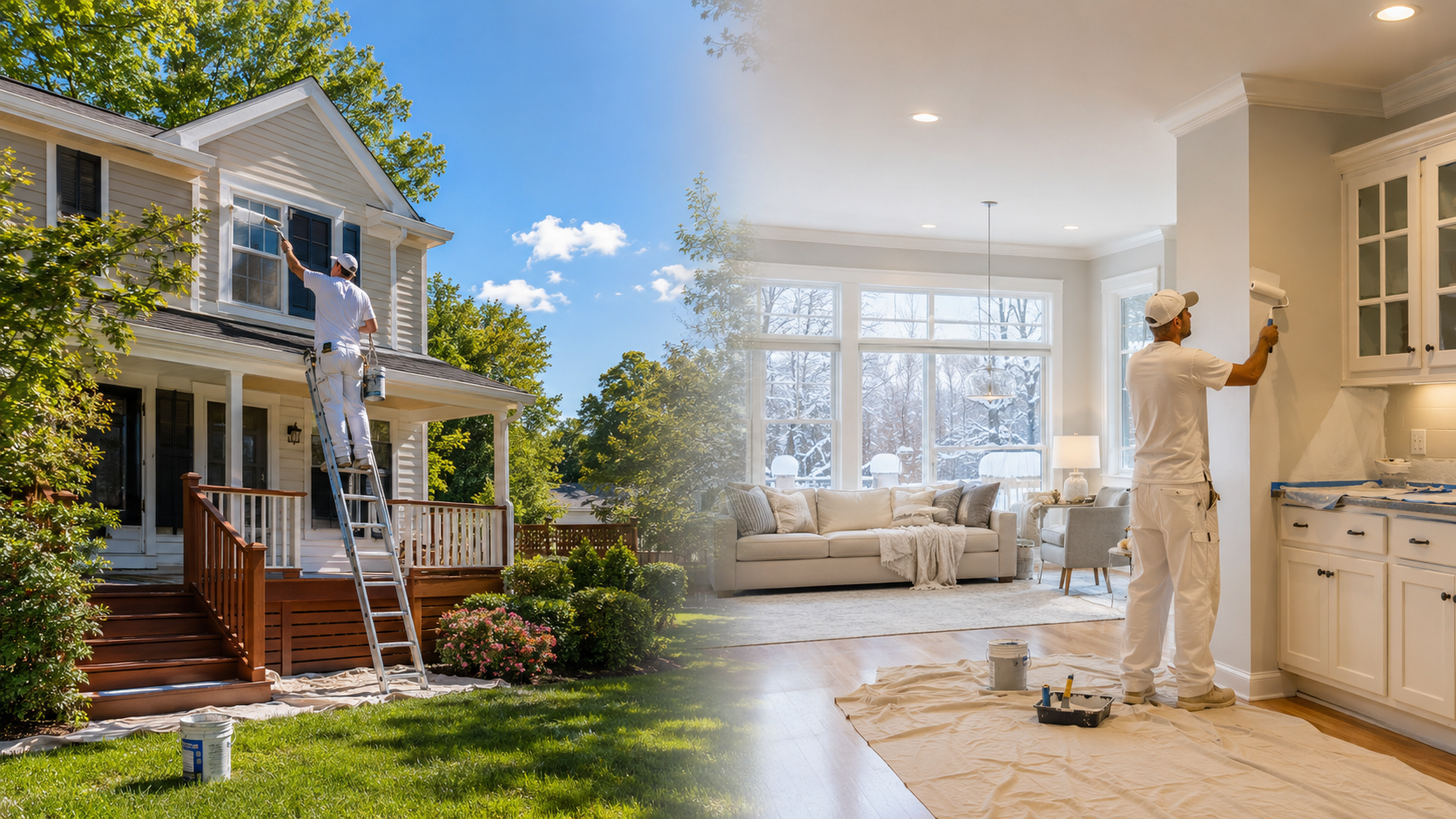
While most homeowners start with interior painting, exterior painting brings a different cost range.

  • Interior painting: $1.10–$1.50 per sq. ft.
  • Exterior painting: Often $2,500–$6,500+ for a single-family home in South Jersey due to weatherproofing, siding conditions, and ladder/scaffolding work.


For example, a colonial-style home in Cherry Hill may cost around $3,500–$6,500 depending on prep and paint quality.


Why Hiring a Professional Saves Money in the Long Run

Some homeowners consider DIY to save money. While that can work for small touch-ups, full-room or whole-home projects are a different story.


Here’s why pros are worth it:

  • Flawless prep & finish → prevents peeling, bubbling, or uneven walls
  • Longer-lasting paint job → professional applications last 5–7 years vs. 2–3 years for DIY
  • Efficient cleanup → no paint spills or messy edges
  • Faster turnaround → save yourself weeks of weekend work


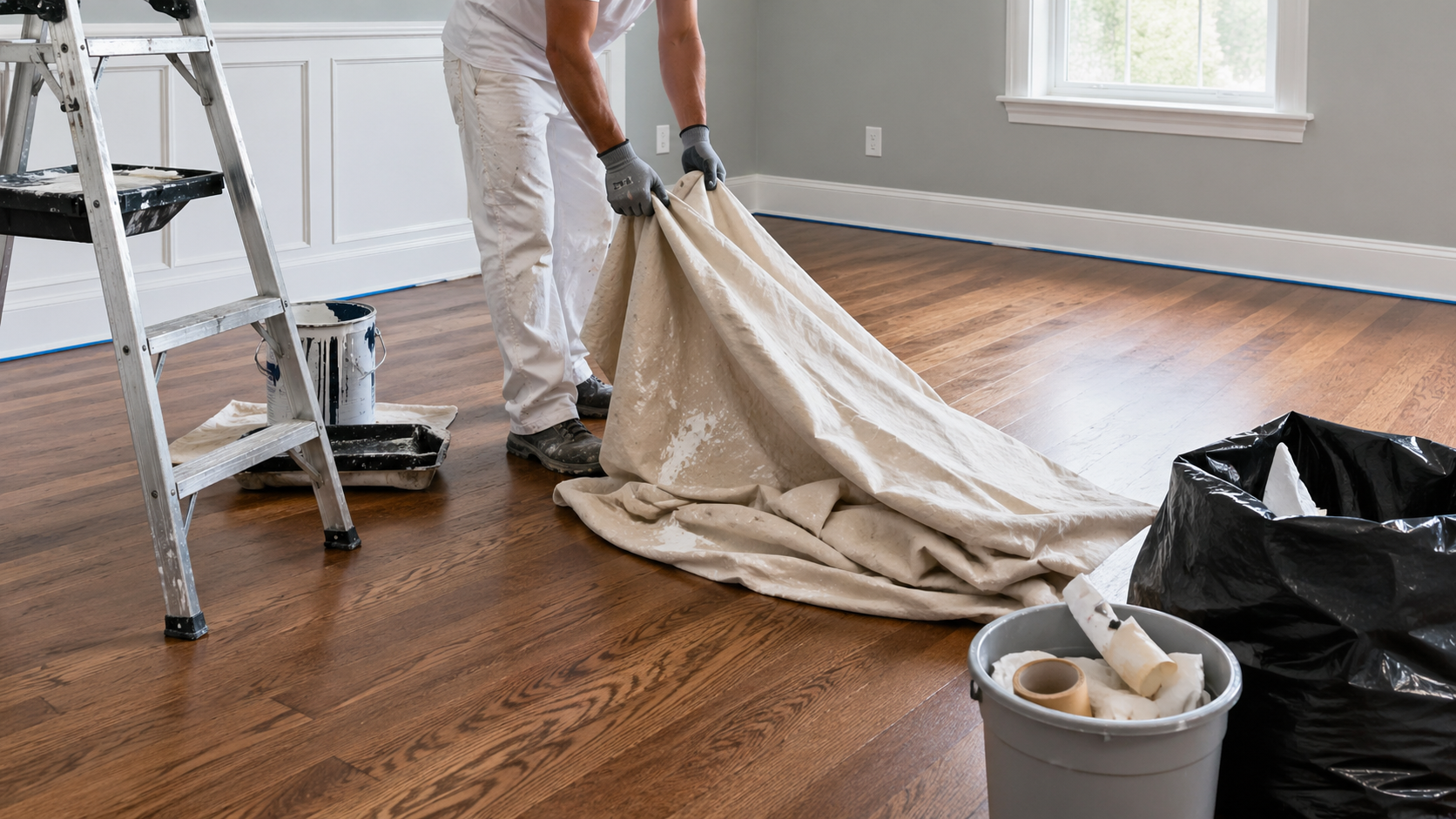
At Pacione Painting LLC, we also handle moving furniture, protecting floors, and cleaning up so your home looks spotless when we’re done.


How Pacione Painting LLC Makes Pricing Easy


We know homeowners hate surprise costs, which is why our process is straightforward:

  • ✅ Free, no-obligation estimates
  • ✅ Itemized pricing (labor, materials, prep, and cleanup)
  • ✅ Premium paints for long-lasting results
  • ✅ Free 30-minute color consultation to help you pick the perfect shade
  • ✅ Local expertise trusted by homeowners in Woodbury, Cherry Hill, Voorhees, and Philadelphia


FAQs About Painting Costs in South Jersey


Do painters move furniture?
Yes, Pacione Painting LLC carefully moves and covers furniture before painting.


Can I provide my own paint?
Yes, but we recommend our premium paints for durability and warranty coverage.


Do you charge extra for ceilings?
Full-room estimates typically include ceilings, but specialty textures or popcorn removal may add cost.


Final Thoughts

Painting your home in South Jersey or Philadelphia is one of the most cost-effective ways to boost curb appeal, brighten your space, and increase property value. By understanding the average price range and what factors influence it, you can budget with confidence.


At Pacione Painting LLC, we combine competitive pricing with craftsmanship that lasts.


Call us today at (856) 381-7990 for your free estimate and get started on transforming your home!

May 28, 2026
Learn how to find the best-rated painting company in South Jersey and Philadelphia. Discover what homeowners should look for before hiring painters.
May 13, 2026
Learn whether summer or winter is best for residential painting in South Jersey, including interior and exterior project tips from Pacione Painting.
April 28, 2026
Do professional painters clean up after the job? Learn what homeowners should expect from trusted residential painting contractors.
April 10, 2026
Learn how to prepare your home before painters arrive with simple steps to clear furniture, protect valuables, and ensure a smooth, professional painting project with Pacione Painting.
February 20, 2026
The best paint for kitchens, bathrooms, and high-traffic areas is a high-quality interior paint designed for durability and moisture resistance, typically in eggshell, flat, or matte finishes for walls, and semi-gloss for trim, because modern formulations offer washability, mold and mildew resistance, and better forgiveness over surface imperfections. Paint technology has evolved. While eggshell and semi-gloss were traditionally the go-to finishes, newer premium products now allow homeowners to use flat and matte finishes in kitchens and bathrooms without sacrificing durability. Here is what you need to know. Traditional Paint Finish Recommendations For years, the general rule was simple: Eggshell for walls Semi-gloss for trim and moisture-prone areas Semi-gloss has excellent durability and moisture resistance, but it is best suited for trim, doors, and cabinetry, not walls. On walls, it tends to highlight surface imperfections and can look overly shiny in living spaces. Eggshell became popular because it offered a balance of subtle sheen and moderate washability. Modern Paint Technology Changes the Game Today, premium products like Sherwin-Williams Duration interior paint have changed what is possible. Sherwin-Williams Duration Flat and Matte Modern flat and matte finishes, especially in Duration, are: Formulated specifically for kitchens and bathrooms Mold and mildew resistant Highly washable and scrubbable More forgiving of surface flaws Durable enough for active households This is a major shift from older flat paints, which were difficult to clean and prone to marking. Because of these improvements, many professional painters now recommend flat or matte finishes for kitchen and bathroom walls whenever possible. Why Flat and Matte Are Often Better for Walls In many homes, especially those with inherited builder-grade drywall, walls are not perfectly smooth. Higher-sheen finishes exaggerate: Drywall seams Patchwork repairs Roller marks Texture inconsistencies Flat and matte finishes diffuse light instead of reflecting it. This makes them far more forgiving and creates a softer, more uniform appearance. For homeowners throughout Woodbury NJ, Cherry Hill NJ, and Philadelphia PA, this often results in a cleaner, more refined final look. Where Semi-Gloss Still Belongs Semi-gloss remains an excellent choice for: Trim Doors Window casings Crown molding High-moisture area trim in bathrooms It offers superior durability and moisture resistance in these specific applications, just not on full wall surfaces. What About High-Traffic Areas? Hallways, stairwells, mudrooms, and entryways see constant use. Today’s high-quality flat and matte paints can handle: Frequent wiping Scuffs and fingerprints Light scrubbing Eggshell remains a solid traditional option, but many homeowners prefer matte or flat for the smoother, more forgiving appearance. Homes in Ocean City NJ and Hammonton NJ, where humidity can be higher, especially benefit from mold- and mildew-resistant wall coatings. Surface Prep Still Matters Most No matter the finish, durability depends on proper preparation: Cleaning and degreasing Repairing drywall imperfections Priming when needed Applying the correct number of coats High-quality residential painting focuses on craftsmanship, cleanliness, and customer satisfaction. That is especially important for kitchens, bathrooms, and high-traffic areas where performance matters most. Services such as interior painting, cabinet refinishing, popcorn ceiling removal, wallpaper application and removal, deck staining, and epoxy floor coatings all require the right prep and product selection to last. Homeowners across Mullica Hill NJ, Voorhees NJ, West Deptford NJ, Westville NJ, Woodbury Heights NJ, Wenonah NJ, Collingswood NJ, Haddonfield NJ, Marlton NJ, and Morristown NJ often find that professional guidance prevents costly mistakes and premature repainting. Local Expertise Makes a Difference Coastal conditions in Ocean City NJ expose homes to humidity and salt air. Older properties in Woodbury NJ and Haddonfield NJ may have drywall inconsistencies. Newer construction in Cherry Hill NJ and Marlton NJ may still show common builder imperfections. Choosing the right finish, especially flat or matte for forgiveness, can dramatically improve the final appearance. Ready to Upgrade Your Walls? If you want a durable, mold-resistant finish that still looks smooth and refined, professional product selection and application make all the difference. Call Pacione Painting at (856) 381-7990 . We specialize in high-quality residential painting with a focus on craftsmanship, cleanliness, and customer satisfaction. Free estimates are available. Here Are Some Other Frequently Asked Questions We Often Asked: Q: Is flat paint okay for kitchens and bathrooms? A: Yes, when using modern premium products like Sherwin-Williams Duration Flat or Matte. These are formulated to be washable and mold resistant. Q: Why avoid semi-gloss on walls? A: Semi-gloss reflects a lot of light and highlights drywall imperfections. It is better suited for trim and moisture-prone trim areas. Q: Is eggshell still a good choice? A: Yes. Eggshell remains a traditional and reliable option for walls, especially in moderate-traffic areas. Q: What finish hides wall imperfections best? A: Flat and matte finishes are the most forgiving and help minimize the appearance of seams, patches, and texture flaws. Q: Do high-humidity areas require special paint? A: Yes. Mold- and mildew-resistant formulations are important in bathrooms, kitchens, and coastal homes. Conclusion The best paint for kitchens, bathrooms, and high-traffic areas is no longer limited to eggshell or semi-gloss. Thanks to modern formulations like Sherwin-Williams Duration Flat and Matte, homeowners can achieve durability, washability, and mold resistance while maintaining a smooth, forgiving finish. Choosing the right product and applying it correctly ensures long-lasting, professional results.
February 11, 2026
Professional painters can help you choose colors by evaluating lighting, room size, existing finishes, and your personal style, then recommending paint colors and finishes that will look right in your space and hold up over time. A quick, clear answer Yes, experienced painters often help homeowners choose colors as part of the painting process. They use practical knowledge, sample testing, and design awareness to recommend shades and finishes that complement your home, avoid common mistakes, and create the look you want with confidence. How painters actually help with color selection Painters do much more than apply paint. When it comes to color choice, their value comes from hands-on experience, not guesswork. They evaluate your space, not just a color swatch Paint looks different depending on its surroundings. A professional painter considers: • Natural and artificial lighting throughout the day • Room size and ceiling height • Flooring, cabinets, trim, and countertops • Adjacent rooms and overall flow of the home This prevents surprises like colors appearing too dark, too bright, or completely different once applied. They understand undertones and finishes Two whites or grays can look nothing alike once on the wall. Painters help you: • Identify warm vs. cool undertones • Choose the right sheen for durability and appearance • Avoid clashing colors between walls, trim, and ceilings This is especially important for interior painting, cabinet refinishing, and epoxy floor coatings, where finish choice matters as much as color. They recommend colors that perform well Not all paints behave the same. Professional painters know which colors and products: • Cover well with fewer coats • Hide imperfections • Hold up in high-traffic areas • Work best in kitchens, bathrooms, and basements That knowledge helps protect your investment and ensures long-lasting results. When color guidance is especially valuable Painter input is most helpful in these situations: • Interior painting projects with open floor plans • Cabinet refinishing, where color mistakes are costly to fix • Wallpaper application or removal, when transitioning to paint • Popcorn ceiling removal, when ceiling and wall colors must work together • Deck staining, where undertones affect curb appeal • Epoxy floor coatings, where color impacts brightness and visibility In all of these cases, expert guidance reduces risk and decision fatigue. Do painters replace interior designers? Not exactly, but they fill an important gap. Painters focus on what works in real homes with real lighting and real paint products. While designers may focus on trends or mood boards, painters bring practical, on-the-wall experience. For most homeowners, that is more than enough to make confident color decisions. How Pacione Painting helps homeowners choose the right colors Pacione Painting specializes in high-quality residential painting with a strong focus on craftsmanship, cleanliness, and customer satisfaction. As part of their process, they help homeowners: • Narrow down overwhelming color choices • Test samples in the actual space • Select finishes suited to each room’s use • Coordinate colors across walls, trim, cabinets, and floors They also offer free estimates, making it easy to start the conversation without pressure. Local expertise you can trust Pacione Painting proudly serves homeowners throughout: • Woodbury, New Jersey • Philadelphia, Pennsylvania • Mullica Hill, Cherry Hill, Voorhees, West Deptford, Westville, Woodbury Heights, Wenonah, Collingswood, Haddonfield, Marlton, Morristown, Ocean City, and Hammonton, New Jersey Local experience matters because housing styles, lighting conditions, and design preferences vary by area. Working with a painter who knows the region leads to better results. Final thoughts Choosing paint colors can feel overwhelming, but you do not have to do it alone. Professional painters bring real-world insight that helps you avoid costly mistakes and achieve a finished look you will love for years. Ready to get expert help? Call Pacione Painting (856) 381-7990 to schedule your free estimate and get professional guidance on colors, finishes, and your next residential painting project. Frequently asked questions about painters and color selection Q: Do painters charge extra to help choose colors? A: Many residential painters include basic color guidance as part of the job, especially during estimates or consultations. Always ask upfront to confirm what is included. Q: Can painters help if I already have a color in mind? A: Yes. Painters can validate your choice, suggest better alternatives, or recommend finishes that make your selected color look its best. Q: Should I choose colors before calling a painter? A: You can, but you do not have to. Many homeowners find it easier to narrow options after speaking with a professional painter. Q: Will painters test colors on my walls? A: Often, yes. Sample testing helps you see how colors look in your lighting before committing. Q: Can painters help with exterior color choices too? A: Many do. Exterior projects like deck staining and full repaints benefit greatly from professional color advice.
January 22, 2026
Most interior rooms should be repainted every 3 to 7 years, depending on the room's usage and the quality of the previous paint job. High-traffic areas like hallways and kitchens often require updates every 3 to 4 years, while low-traffic spaces like adult bedrooms or dining rooms can remain in excellent condition for up to a decade. That is the short answer. While paint can technically last longer, regular updates prevent walls from looking dated and protect the underlying drywall from moisture and wear. This matters because timely maintenance is often more cost-effective than repairing damaged surfaces later. Factors That Influence Painting Frequency The key thing to understand is that not every room wears down at the same rate. Daily activity and environmental factors play a significant role in how long your finish lasts. Kitchens and Bathrooms: Due to cooking grease, steam, and humidity, these areas usually need a fresh coat every 3 to 4 years. Hallways and Trim: High-traffic corridors experience frequent scuffs and fingerprints, often requiring attention every 2 to 3 years. Living and Dining Rooms: Because these rooms are used more formally, the paint tends to stay vibrant for 5 to 7 years. Bedrooms: Kids' rooms may need updates every few years due to wear, whereas guest rooms can often go 10 years without a change. When to Consider an Early Refresh If you are trying to understand if it is time to paint, look for physical signs of wear. Fading color is common in rooms with heavy sunlight exposure. For many businesses and busy households, visible scuffs or "burnishing"—where the paint looks shiny from being rubbed—are clear indicators that the finish has reached the end of its life. For example, if you notice the corners of your baseboards are chipping or if the paint behind the stove appears stained despite cleaning, a refresh is likely necessary. In these cases, applying a high-quality finish not only improves the look but adds a protective layer against further damage. Limitations and Variations It is important to note that these timelines assume the use of professional-grade materials and proper surface preparation. If a previous paint job was applied over dusty walls or without primer, it may peel or flake much sooner than expected. Additionally, environmental factors like high humidity or extreme temperature shifts in a home can shorten the lifespan of any interior coating. If you are considering a refresh for your home, reaching out to a professional can ensure a lasting, high-quality finish. To discuss your project and receive a professional assessment, call Pacione Painting at (856) 381-7990 . Pacione Painting provides expert craftsmanship and cleaning-focused interior services throughout the following areas: New Jersey: Woodbury, Mullica Hill, Cherry Hill, Voorhees, West Deptford, Westville, Woodbury Heights, Wenonah, Collingswood, Haddonfield, Marlton, Moorestown, Ocean City, and Hammonton. Pennsylvania: Philadelphia. Expertise Includes: Interior painting, cabinet refinishing, popcorn ceiling removal, wallpaper application and removal, deck staining, and epoxy floor coatings. Free estimates are available for all local residents. Here Are Some Other Questions We're Frequently Asked About Interior Paint: Q: Does the type of paint finish affect how long it lasts? A: Yes. Glossier finishes (like satin or semi-gloss) are more durable and easier to clean than flat or matte finishes, making them better suited for high-traffic areas. Q: Can I just touch up the paint instead of repainting the whole room? A: Touch-ups work best if you have the original paint and the walls haven't faded. If the paint is older than two years, the new patches will likely be visible, making a full wall-to-wall coat a better option. Q: Why does bathroom paint peel faster? A: Moisture is the primary cause. Without proper ventilation, steam can seep behind the paint film, causing it to lose its bond with the wall. Reference Context: This article was developed based on industry standards for residential maintenance and architectural coating guidelines common in the professional painting industry.
January 8, 2026
The primary difference between low, mid, and high-quality paint jobs lies in the extent of surface preparation, the grade of materials used, and the level of detail in the final application. While low-quality jobs focus on speed and coverage, high-quality projects prioritize durability, seamless finishes, and rigorous surface correction to ensure the paint lasts for years. That is the short answer. In practice, the quality level you choose determines not just how the room looks on the day the tape comes off, but how well the surfaces resist peeling, fading, and wear over time. The key thing to understand is that the labor involved in preparation is often the most significant differentiator. Breaking Down the Levels of Quality When evaluating painting options, it helps to look at what happens before the brush even touches the wall. Low-Quality (Economy) Jobs: These are often referred to as "production" painting. The focus is on a quick color change. Preparation is minimal, often skipping the filling of small dents or thorough sanding. Contractors typically use contractor-grade paint which has lower pigment density. Mid-Quality (Standard) Jobs: This level is common for well-maintained homes. It includes basic repairs, such as filling nail holes and light sanding, combined with reliable retail-grade paints. It offers a clean look that performs well under normal living conditions. High-Quality (Premium) Jobs: This approach treats the wall like a canvas. It involves intensive cleaning, multi-stage sanding, and the use of premium architectural coatings. The focus is on "craftsmanship," where every edge is perfectly straight and the finish is smooth to the touch. What High-Quality Craftsmanship Looks Like For many homeowners, the value of a high-quality job becomes clear during the preparation phase. This might involve removing outdated features, such as popcorn ceiling textures, or carefully stripping old wallpaper to ensure the new substrate is perfectly flat. In specialized projects like cabinet refinishing or epoxy floor coatings, high quality is mandatory because these surfaces endure heavy physical contact. A premium process ensures the coating bonds chemically to the surface, preventing the chipping that is common in lower-tier applications. When a High-Quality Finish Matters Most While a basic refresh might work for a temporary rental or a closet, premium standards are usually recommended for: High-Traffic Areas: Hallways and kitchens need durable, washable finishes. Detailed Woodwork: Cabinets and trim require precision to avoid visible brush marks. Outdoor Surfaces: Deck staining requires deep penetration and weather resistance that cheap stains cannot provide. Limitations and Considerations It is important to note that even the highest quality paint job cannot fix structural issues. If a wall has deep water damage or shifting foundations that cause recurring cracks, paint will only provide a temporary cosmetic fix. Additionally, high-quality work requires significantly more time; homeowners should plan for a longer project duration when requesting premium craftsmanship. Local Service Information Pacione Painting provides high-quality residential services, including interior painting, cabinet refinishing, and deck staining, across the following areas: New Jersey: Woodbury, Mullica Hill, Cherry Hill, Voorhees, West Deptford, Westville, Woodbury Heights, Wenonah, Marlton, Morristown, Hammonton, and Ocean City. Pennsylvania: Philadelphia, Collingswood (NJ), and Haddonfield (NJ). If you are looking for a transformation that prioritizes durability and a meticulous finish, we invite you to contact Pacione Painting at (856) 381-7990 to discuss your project. Here Are Some Other Frequently Asked Questions Q: Does expensive paint really make a difference? A: Yes. High-end paints contain more solids (pigment and binder) and fewer solvents. This results in better coverage, truer colors, and a more durable film that stands up to cleaning. Q: How long should a high-quality interior paint job last? A: Under normal conditions, a premium interior paint job can last 7 to 10 years, whereas economy jobs may show signs of wear or fading within 3 to 5 years. Q: What is the most important step in a professional paint job? A: Preparation is the most critical factor. Without proper cleaning, sanding, and priming, even the most expensive paint will eventually peel or bubble. Q: Can you paint over old wallpaper? A: While possible, it is rarely recommended for a high-quality finish. Removing the wallpaper and prepping the drywall underneath ensures a smoother, more professional result. Editorial Note This information is based on standard industry practices for residential painting and architectural coating applications. Homeowners are encouraged to verify the specific preparation protocols and material data sheets provided by their chosen contractor.
December 18, 2025
This guide explains the standard preparation procedures for professional interior painting to help homeowners understand how their belongings and flooring are safeguarded during a project.
December 2, 2025
A popcorn ceiling removal estimate usually includes labor, surface preparation, materials, repair allowances, project conditions, and cleanup. Knowing what goes into a popcorn ceiling removal estimate helps you understand exactly what you are paying for and what to expect. Below is a friendly walk through of typical estimate items, how most contractors approach the work, and how Pacione Painting uses a safer, cleaner method that avoids the mess and risks of water based removal. What A Popcorn Ceiling Removal Estimate Usually Covers Labor for Popcorn Ceiling Removal Labor makes up most of the estimate. This typically includes: • Safely removing the textured material • Protecting floors, walls, and furniture • Working patiently around vents, lights, and fixtures • Ensuring even removal without damaging the ceiling surface Surface Preparation Once the popcorn texture is removed, the ceiling often needs fine tuning. Estimates usually include: • Skim coating to smooth the surface • Light sanding • Priming to prepare the ceiling for paint Materials and Supplies Contractors list the tools and protective materials needed for the job, such as: • Protective coverings • Scrapers or removal tools • Sanding supplies • Primer and basic prep products Repair Allowances Popcorn texture often hides imperfections. Estimates usually include a small allowance for minor repairs such as: • Hairline cracks • Small dents or nail pops • Uneven areas Larger or unexpected repairs are commonly itemized separately so homeowners know exactly what is involved. Project Conditions That Affect Pricing You might also see notes about details that influence cost, including: • Ceiling height • Room size • Texture thickness • Whether furniture must be moved • Ceiling material, such as drywall or older plaster Cleanup and Disposal Popcorn removal can get messy, so cleanup is normally part of the estimate. This often includes: • Collecting and disposing of debris • Vacuuming or sweeping • Removing protective coverings How Most Painting Contractors Estimate Popcorn Ceiling Removal Many contractors rely on the traditional method of wetting the popcorn texture to soften it before scraping. While it works, it creates several concerns for homeowners: • Wet popcorn tends to fall in heavy clumps that splatter across walls and baseboards • Excess water can soak into ceilings and introduce moisture that may lead to mold • Spraying water near ceiling lights or high wall outlets makes some homeowners uneasy • Painted popcorn often resists water, which leads to an even messier scraping process Because of these issues, homeowners often look for cleaner, safer alternatives. How Pacione Painting Removes Popcorn Ceilings Pacione Painting does not use water as their primary method for popcorn ceiling removal. Instead, they use a Festool dust extractor system that removes the popcorn texture dry. This method offers several important benefits: • No soaking the ceiling with water • No wet popcorn splattering across floors and walls • No risk of trapping moisture inside plaster or drywall • No spraying water near electrical fixtures • Outstanding performance on unpainted popcorn, which can often be removed cleanly and efficiently The result is a cleaner, safer, and more comfortable experience for homeowners who want to avoid the mess and moisture concerns of traditional popcorn ceiling removal. Pacione Painting also provides interior painting, cabinet refinishing, popcorn ceiling removal, wallpaper application and removal, deck staining, epoxy floor coatings, and more. Setting Realistic Expectations About the Final Ceiling Surface Pacione Painting focuses on giving homeowners significant, noticeable improvement. However, popcorn ceilings often cover a wide range of hidden issues such as: • Seventy year old plaster • Builder shortcuts • Poorly taped seams • Uneven or patched drywall Because of these factors, not every ceiling can achieve a perfectly smooth finish. After removal, Pacione Painting applies a full coat of primer to seal the ceiling and reveal any remaining imperfections. From there, they complete repairs to achieve as clean and even a finish as the underlying ceiling allows. The result is a dramatic improvement, but not always perfection, especially in older homes or homes with construction flaws hidden under the texture. Homeowners appreciate the honesty and transparency Pacione Painting brings to this part of the process. Why Pacione Painting’s Estimate Style Benefits Homeowners Pacione Painting ’s method stands out for several reasons: • Cleaner removal with less mess. The Festool dust extractor keeps fallout under control. • No moisture concerns. Their dry removal method avoids mold risk and protects older plaster. • Safer around electrical fixtures. No spraying water near lights or outlets. • Clear expectations about the final finish. Homeowners see what is achievable based on their ceiling’s condition. • Thoughtful preparation and communication. Their team explains each step so there are no surprises. Service Areas Pacione Painting Serves Pacione Painting proudly serves homeowners throughout Woodbury, NJ; Philadelphia, PA; Mullica Hill, NJ; Cherry Hill, NJ; Voorhees, NJ; West Deptford, NJ; Westville, NJ; Woodbury Heights, NJ; Wenonah, NJ; Collingswood, NJ; Haddonfield, NJ; Marlton, NJ; Morristown, NJ; Ocean City, NJ; and Hammonton, NJ. Local Considerations for Popcorn Ceiling Removal in These Areas Many homes in Woodbury, Haddonfield, Collingswood, and Marlton have older plaster ceilings that react differently to texture removal. Coastal properties near Ocean City often deal with humidity related issues that affect how popcorn texture was originally applied. Pacione Painting understands these regional differences and adjusts their estimate and approach accordingly. Ready to Refresh Your Ceilings? Call Pacione Painting at (856) 381 7990 to schedule a free consultation, today! Pacione Painting delivers clean, smooth, professionally finished ceilings along with clear, honest estimates for homeowners throughout South Jersey and the Philadelphia area. Here are some other questions we’re frequently asked about popcorn ceiling removal: Q: How long does popcorn ceiling removal usually take? A: Most projects take one to three days depending on ceiling height, texture thickness, and room size. Q: Do you use water to remove popcorn ceilings? A: No. Pacione Painting uses a dry removal method with a Festool dust extractor for a cleaner and safer process. Q: Will my ceilings be completely smooth afterward? A: Your ceilings will be significantly improved, but perfection is not always realistic on older plaster or poorly constructed ceilings. Pacione Painting will prime and repair the surface to create the best finish possible. Q: Is popcorn ceiling removal messy? A: Any removal creates dust, but the Festool system greatly reduces mess and keeps cleanup manageable. Q: Can you paint the ceilings right after removal? A: Yes. Once the ceiling has been primed and repaired, painting can begin. Q: What makes some popcorn ceilings harder to remove? A: Thick texture, paint applied over the popcorn, and older plaster ceilings can extend the removal time.