What Is the Difference Between Power Washing and Soft Washing? Here's What Homeowners Should Know
Power washing and soft washing are both effective exterior cleaning methods, but they serve different purposes. Understanding when to use each can help protect your home's surfaces while achieving the best cleaning results.
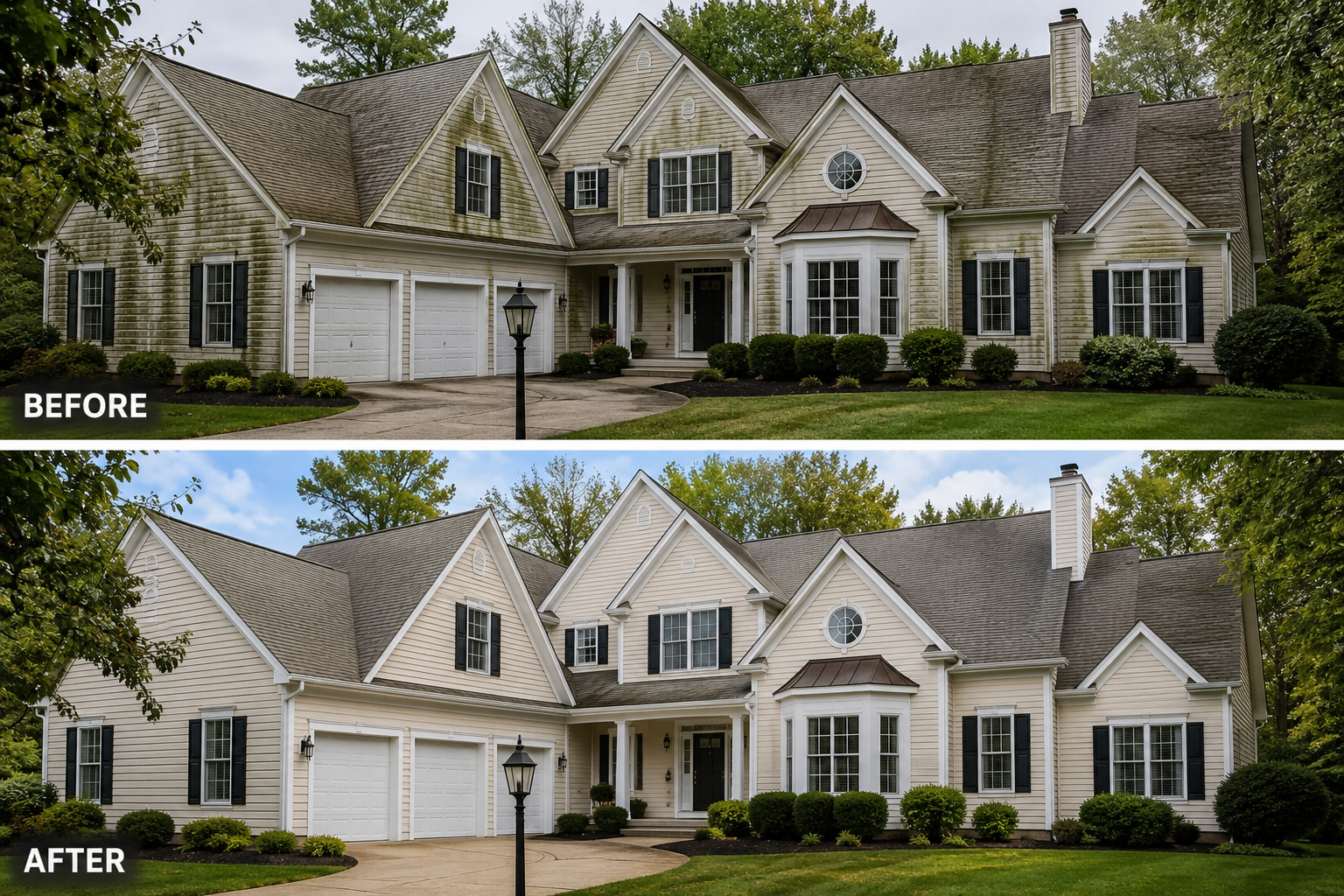
Power washing and soft washing differ primarily in the amount of pressure used to clean surfaces; power washing uses high-pressure water to remove stubborn dirt and grime from durable materials, while soft washing uses low-pressure water combined with specialized cleaning solutions to safely clean delicate surfaces without causing damage.
Many homeowners assume power washing and soft washing are interchangeable, but choosing the wrong method can lead to damaged siding, chipped paint, or ineffective cleaning. The right cleaning approach depends on the surface being treated, the level of contamination, and the desired outcome.
In this guide, we'll explain the key differences between power washing and soft washing, when each method should be used, and how professional exterior cleaning can help protect and enhance your home's appearance.
What Is Power Washing?
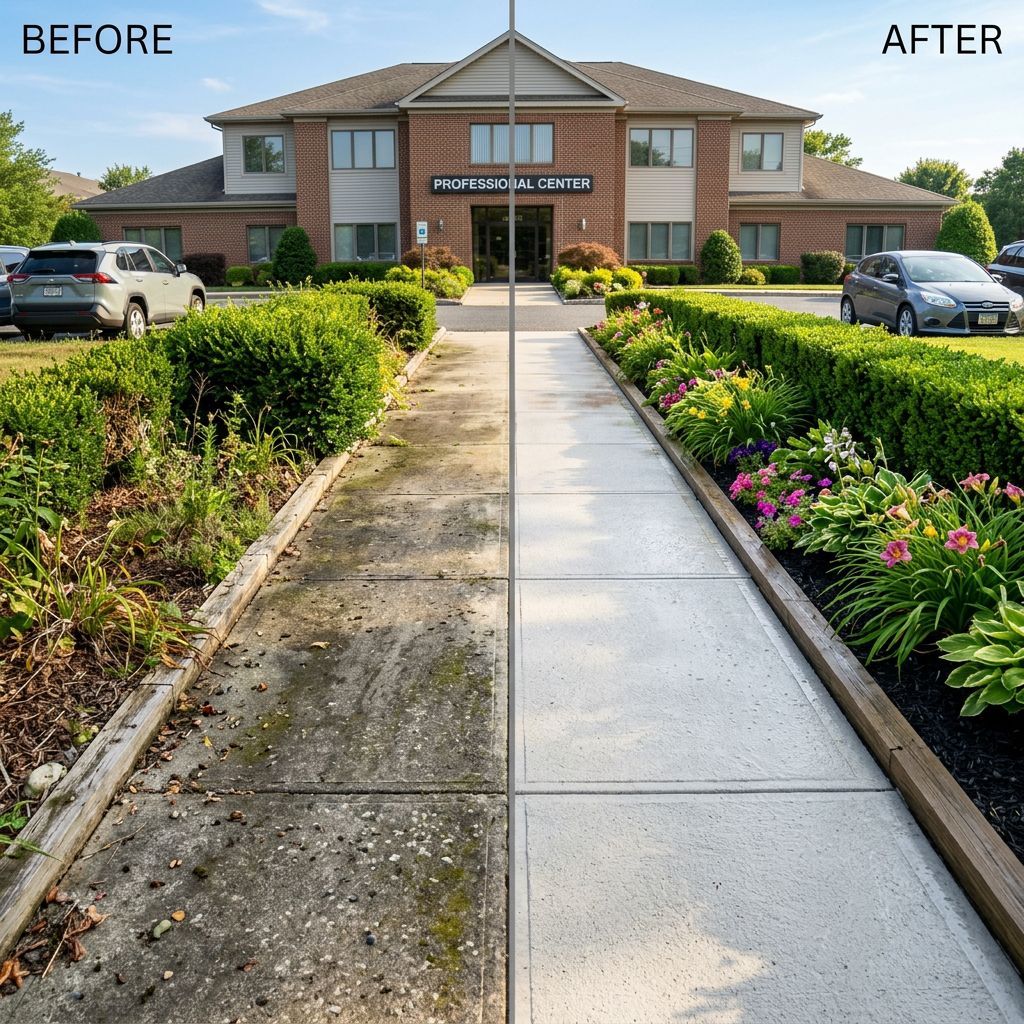
Power washing uses highly pressurized water to remove dirt, mud, mold, mildew, algae, grease, and other contaminants from hard surfaces.
Power washing is commonly used on:
- Concrete driveways
- Sidewalks
- Patios
- Brick surfaces
- Stone walkways
- Garage floors
- Retaining walls
The high-pressure stream effectively blasts away years of buildup that ordinary cleaning methods cannot remove.
Benefits of Power Washing
- Removes tough stains and grime
- Restores curb appeal
- Prepares surfaces for painting or staining
- Cleans large areas efficiently
- Helps extend the lifespan of exterior surfaces
However, power washing must be used carefully. Excessive pressure can damage wood, vinyl siding, painted surfaces, and roofing materials.
What Is Soft Washing?
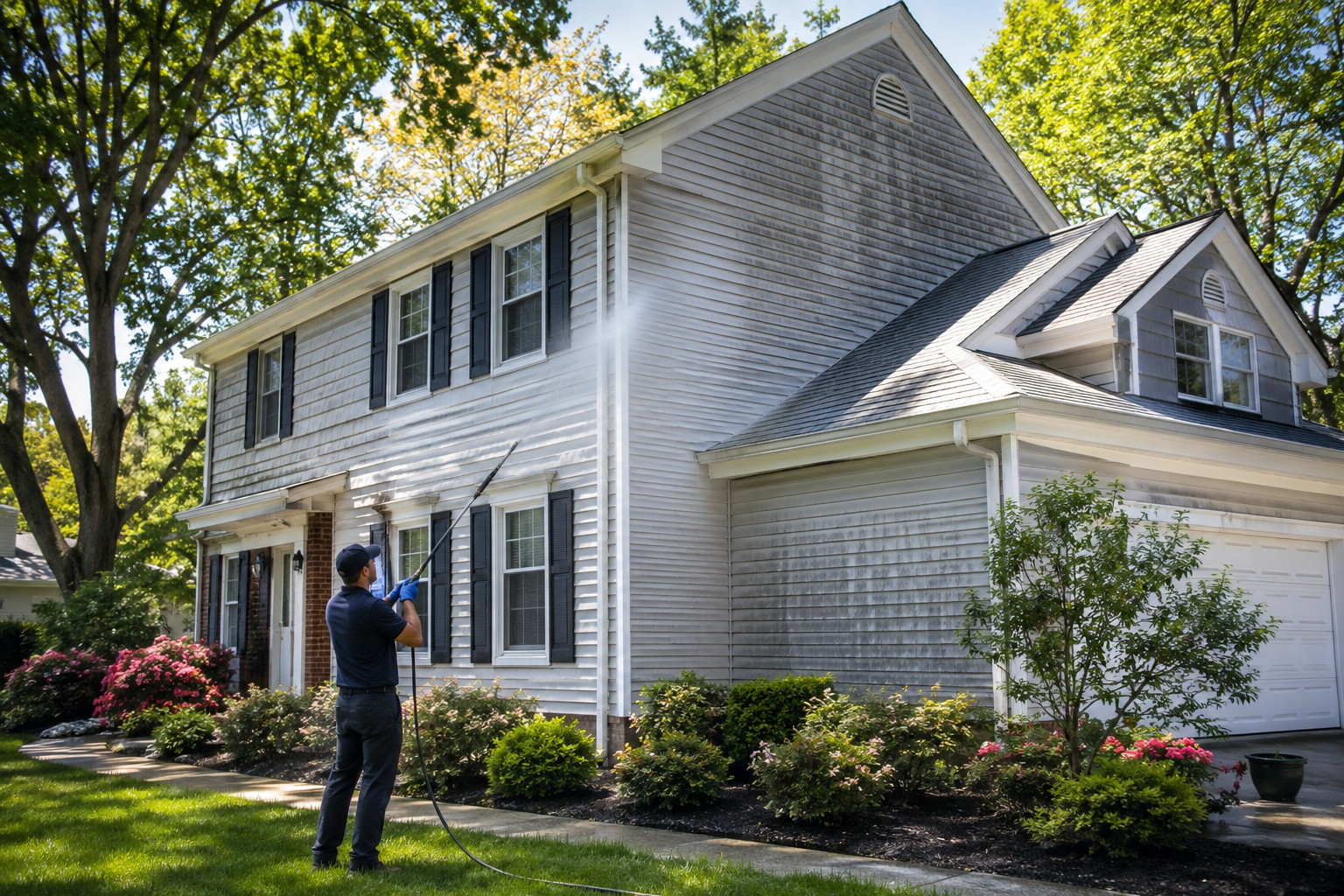
Soft washing uses low-pressure water combined with specialized cleaning solutions designed to break down dirt, algae, mold, mildew, and bacteria.
Rather than relying on force, soft washing relies on cleaning agents that sanitize and remove contaminants at their source.
Soft washing is ideal for:
- Vinyl siding
- Stucco
- Painted surfaces
- Roof shingles
- Wood siding
- Fences
- Screens
- Outdoor furniture
Because it uses significantly less pressure, soft washing is considered a safer cleaning method for delicate surfaces.
Benefits of Soft Washing
- Prevents damage to sensitive materials
- Kills mold, mildew, algae, and bacteria
- Produces longer-lasting cleaning results
- Protects paint and siding
- Improves overall curb appeal
Many homeowners are surprised to learn that soft washing often keeps surfaces cleaner longer because it eliminates the organic growth causing discoloration rather than simply removing visible stains.
Power Washing vs. Soft Washing: Key Differences
Cleaning Method
Power Washing
- Relies on high-pressure water
- Removes dirt through force
Soft Washing
- Uses low-pressure water and cleaning solutions
- Removes contaminants through treatment and sanitation
Best Surface Types
Power Washing
- Concrete
- Brick
- Stone
- Durable hard surfaces
Soft Washing
- Roofs
- Siding
- Painted surfaces
- Wood materials
Risk of Damage
Power Washing
- Higher risk when used incorrectly
Soft Washing
- Lower risk and safer for delicate surfaces
Long-Term Results
Power Washing
- Excellent for removing buildup
Soft Washing
- Often provides longer-lasting cleanliness by eliminating mold and algae at their source
When Should You Choose Power Washing?
Power washing is typically the best option when dealing with:
- Oil stains on driveways
- Heavily soiled concrete
- Brick or masonry cleaning
- Surface preparation before painting
- Deep cleaning hardscape features
A professional contractor can determine the correct pressure settings to avoid damaging surrounding areas.
When Should You Choose Soft Washing?
Soft washing is often recommended for:
- Home siding
- Roof cleaning
- Painted exteriors
- Decks and fences
- Areas affected by mold, mildew, or algae
Soft washing can help preserve exterior finishes while delivering a thorough clean.
Why Professional Exterior Cleaning Matters
While many homeowners rent pressure washers for weekend projects, professional cleaning services offer several advantages:
- Proper equipment selection
- Surface-specific cleaning techniques
- Reduced risk of property damage
- Better long-term results
- Time savings
- Enhanced curb appeal
Professionals understand when to use power washing, when to use soft washing, and how to achieve the best outcome for each surface.
Exterior Cleaning and Painting Often Go Hand-in-Hand
A clean surface is one of the most important steps before any painting project. Dirt, mildew, and debris can prevent paint from adhering properly, leading to premature peeling and reduced durability.
Homeowners often combine exterior cleaning with services such as:
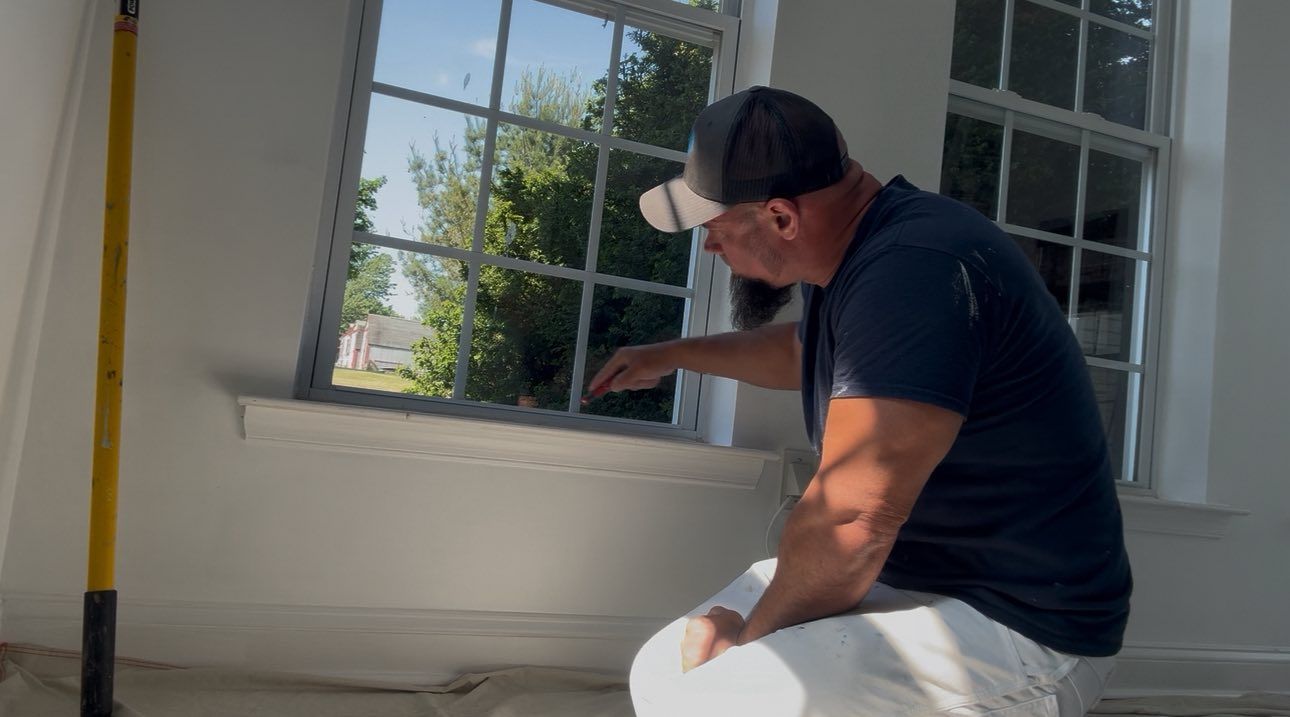
Interior Painting
Professional interior painting can refresh living spaces and increase home value.
Exterior Painting
A properly prepared exterior surface helps maximize paint performance and longevity.
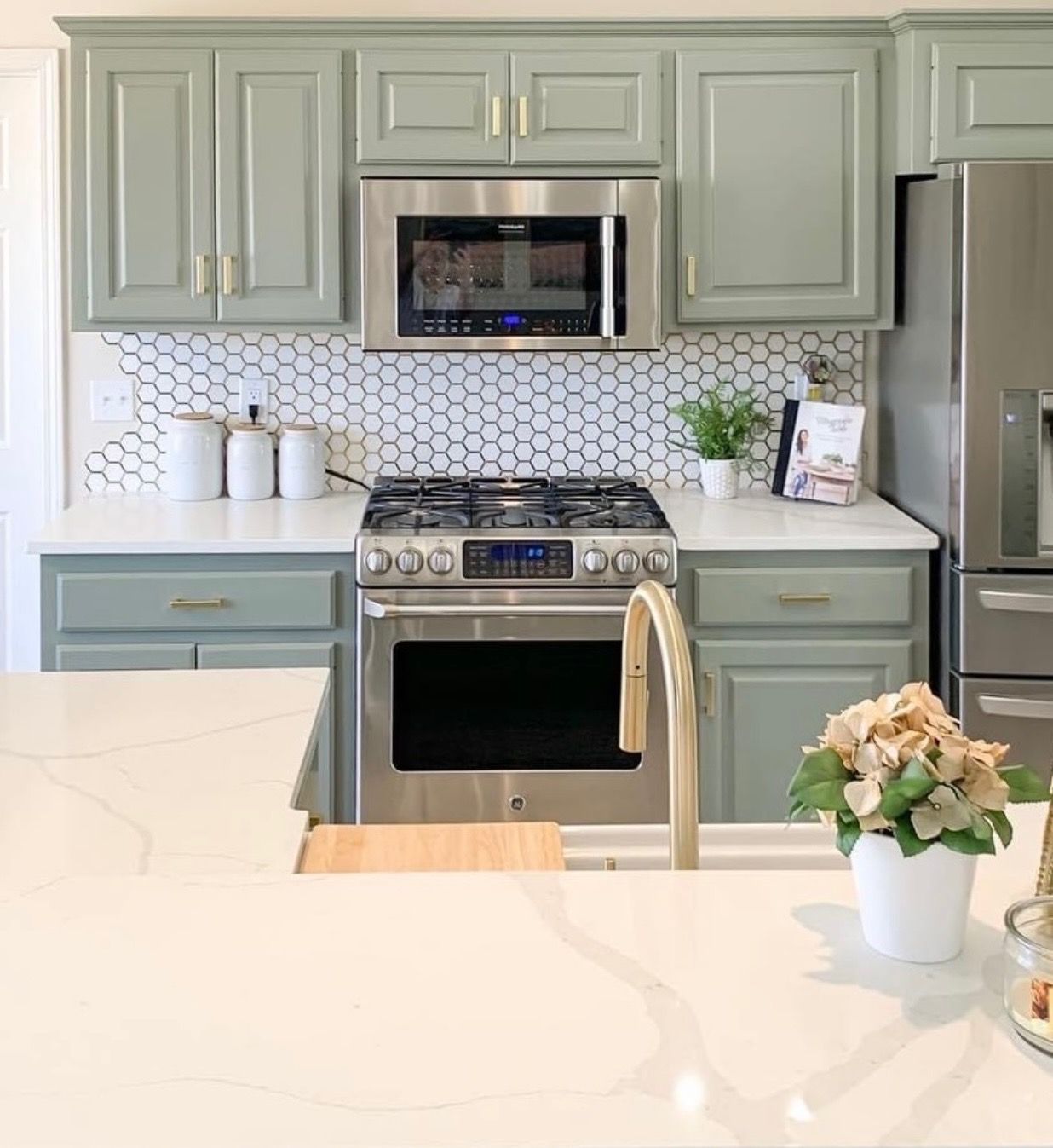
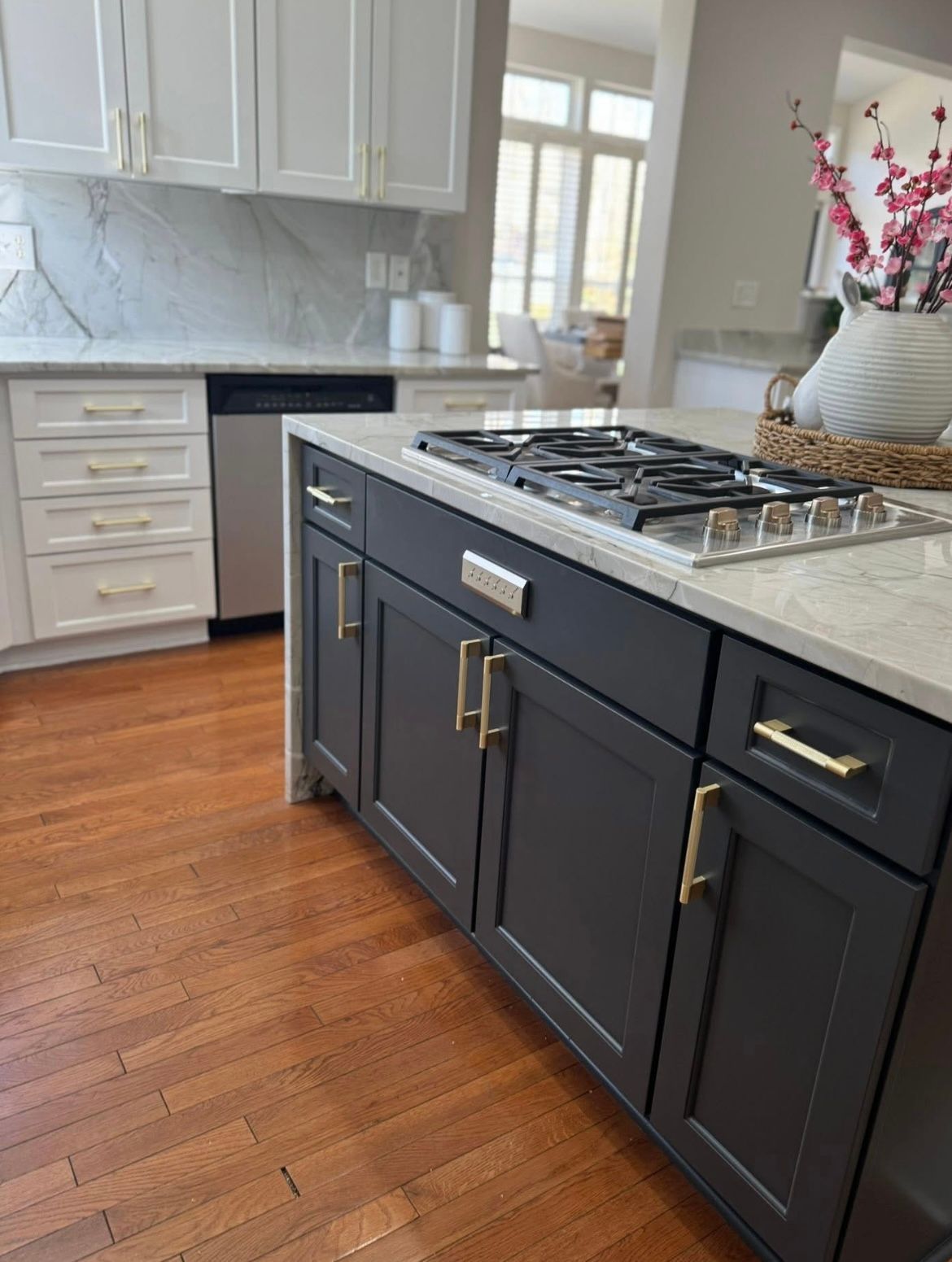
Cabinet Refinishing
Updating cabinets can transform kitchens and bathrooms without the cost of full replacement.
Popcorn Ceiling Removal
Modernizing ceilings can dramatically improve a home's appearance.
Wallpaper Application and Removal
Professional installation and removal help achieve clean, polished results.
Deck Staining
Protecting wood surfaces helps prevent weather-related damage.
Epoxy Floor Coatings
Durable coatings enhance garages, basements, and workshops.
Serving Homeowners Throughout Southern New Jersey and Beyond
Pacione Painting proudly serves homeowners throughout:
- Woodbury, New Jersey
- Philadelphia, Pennsylvania
- Mullica Hill, New Jersey
- Cherry Hill, New Jersey
- Voorhees, New Jersey
- West Deptford, New Jersey
- Westville, New Jersey
- Woodbury Heights, New Jersey
- Wenonah, New Jersey
- Collingswood, New Jersey
- Haddonfield, New Jersey
- Marlton, New Jersey
- Morristown, New Jersey
- Ocean City, New Jersey
- Hammonton, New Jersey
Whether you're preparing your home for painting, improving curb appeal, or removing years of exterior buildup, professional power washing and soft washing services can help protect your investment and keep your property looking its best.
Conclusion
Power washing and soft washing are both valuable exterior cleaning methods, but they are designed for different surfaces and cleaning goals. Power washing uses high-pressure water to clean durable surfaces like concrete and brick, while soft washing safely cleans siding, roofs, and painted surfaces using low pressure and specialized solutions. Choosing the right method helps prevent damage while delivering better results.
Ready to Improve Your Home's Appearance?
Whether you need interior painting, exterior painting, cabinet refinishing, deck staining, epoxy floor coatings, power washing, soft washing, or other professional home improvement services, Pacione Painting is ready to help.
Call Pacione Painting today at (856) 381-7990 for a free estimate and discover the difference craftsmanship, cleanliness, and customer satisfaction can make.
Frequently Asked Questions
Is power washing stronger than soft washing?
Yes. Power washing uses significantly higher water pressure than soft washing and is intended for durable surfaces such as concrete, brick, and stone.
Can soft washing damage my siding?
When performed correctly, soft washing is specifically designed to clean siding safely without causing damage.
Which method is better for removing mold and algae?
Soft washing is often the preferred solution because it kills mold, mildew, algae, and bacteria at their source.
Should I clean my house before exterior painting?
Yes. Cleaning the surface before painting helps paint adhere properly and can improve the lifespan of the finished project.
How often should a home be professionally washed?
Most homes benefit from professional cleaning every one to three years, depending on climate, tree coverage, and environmental conditions.
Go deeper. Read: How Often Should I Have My Home Professionally Washed?