How Often Should You Repaint Your Interior? A Helpful Guide to Home Maintenance
This guide helps homeowners determine the ideal timeline for refreshing interior walls to maintain property value and aesthetic appeal.
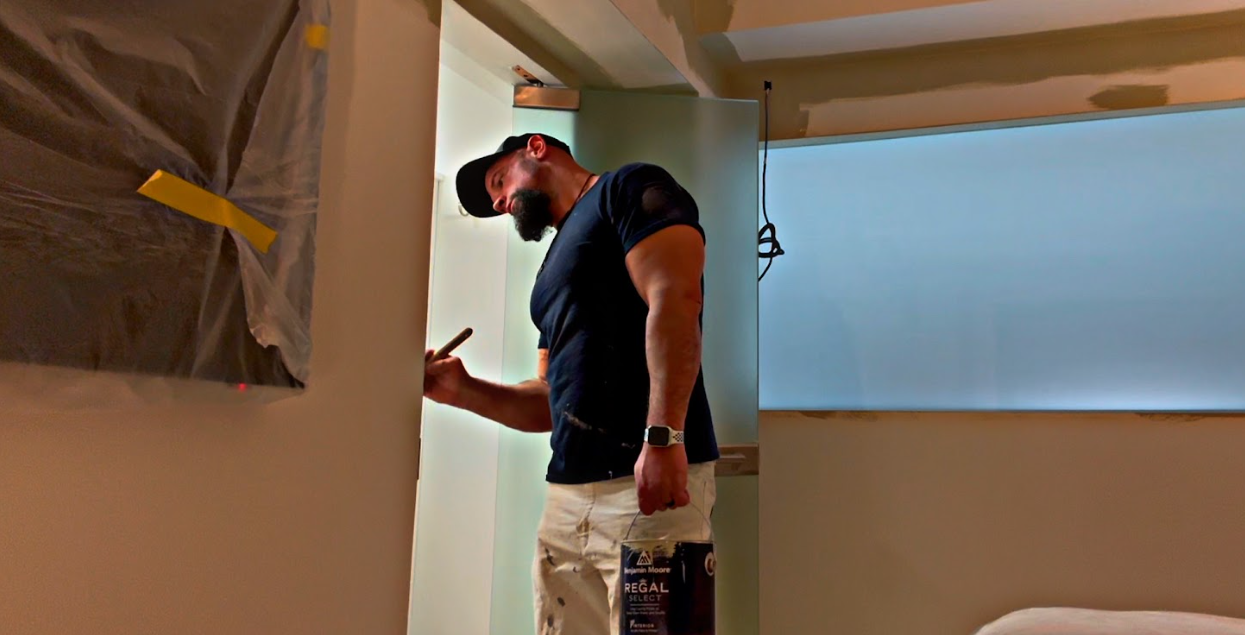
Most interior rooms should be repainted every 3 to 7 years, depending on the room's usage and the quality of the previous paint job. High-traffic areas like hallways and kitchens often require updates every 3 to 4 years, while low-traffic spaces like adult bedrooms or dining rooms can remain in excellent condition for up to a decade.
That is the short answer. While paint can technically last longer, regular updates prevent walls from looking dated and protect the underlying drywall from moisture and wear. This matters because timely maintenance is often more cost-effective than repairing damaged surfaces later.
Factors That Influence Painting Frequency
The key thing to understand is that not every room wears down at the same rate. Daily activity and environmental factors play a significant role in how long your finish lasts.
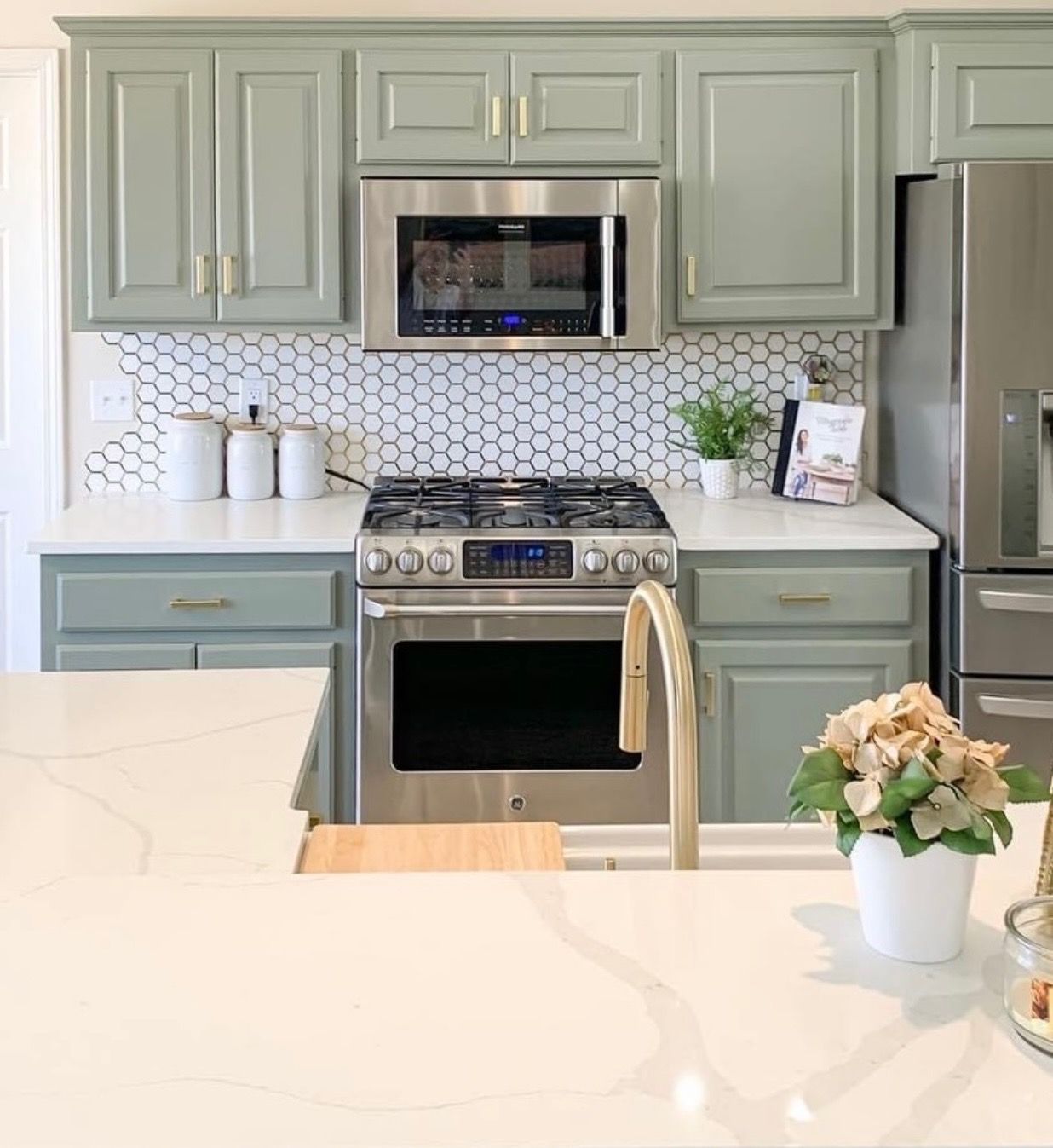
- Kitchens and Bathrooms: Due to cooking grease, steam, and humidity, these areas usually need a fresh coat every 3 to 4 years.
- Hallways and Trim: High-traffic corridors experience frequent scuffs and fingerprints, often requiring attention every 2 to 3 years.
- Living and Dining Rooms: Because these rooms are used more formally, the paint tends to stay vibrant for 5 to 7 years.
- Bedrooms: Kids' rooms may need updates every few years due to wear, whereas guest rooms can often go 10 years without a change.
When to Consider an Early Refresh
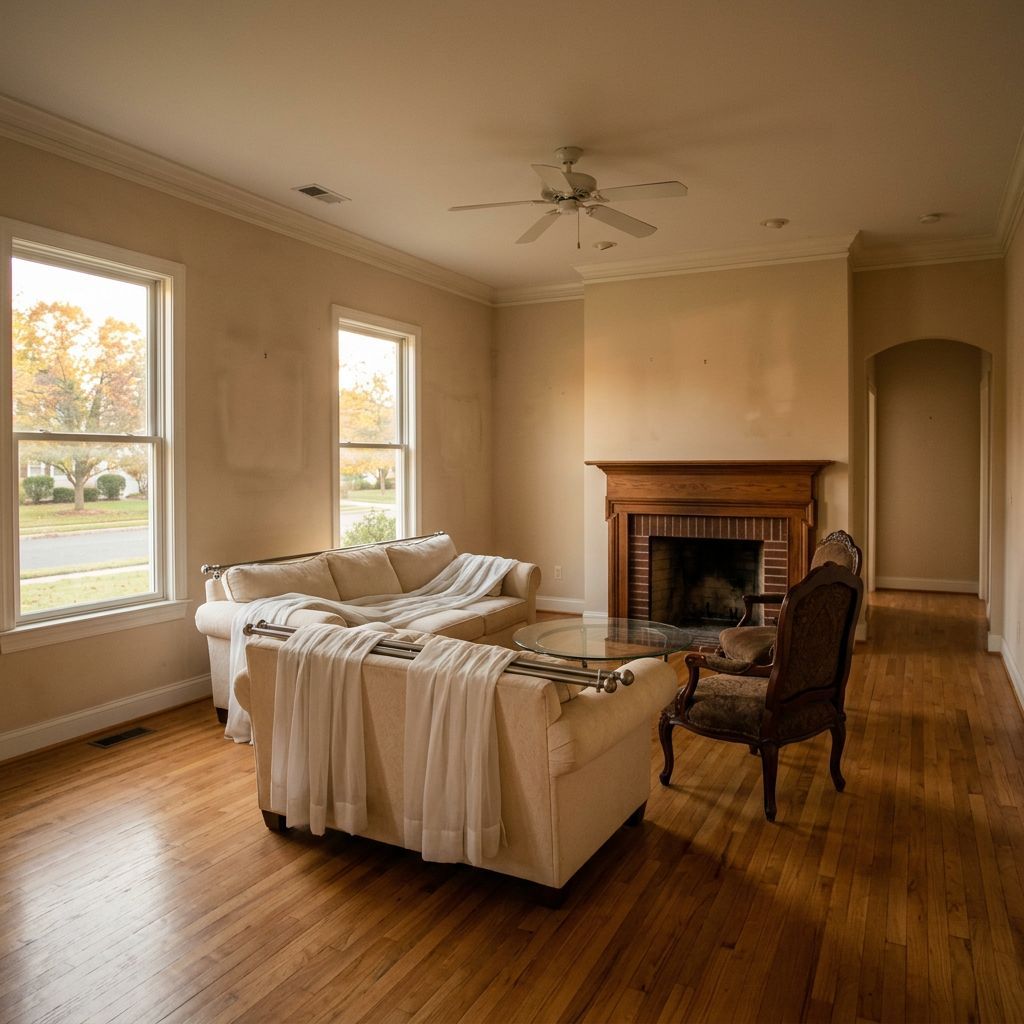
If you are trying to understand if it is time to paint, look for physical signs of wear. Fading color is common in rooms with heavy sunlight exposure. For many businesses and busy households, visible scuffs or "burnishing"—where the paint looks shiny from being rubbed—are clear indicators that the finish has reached the end of its life.
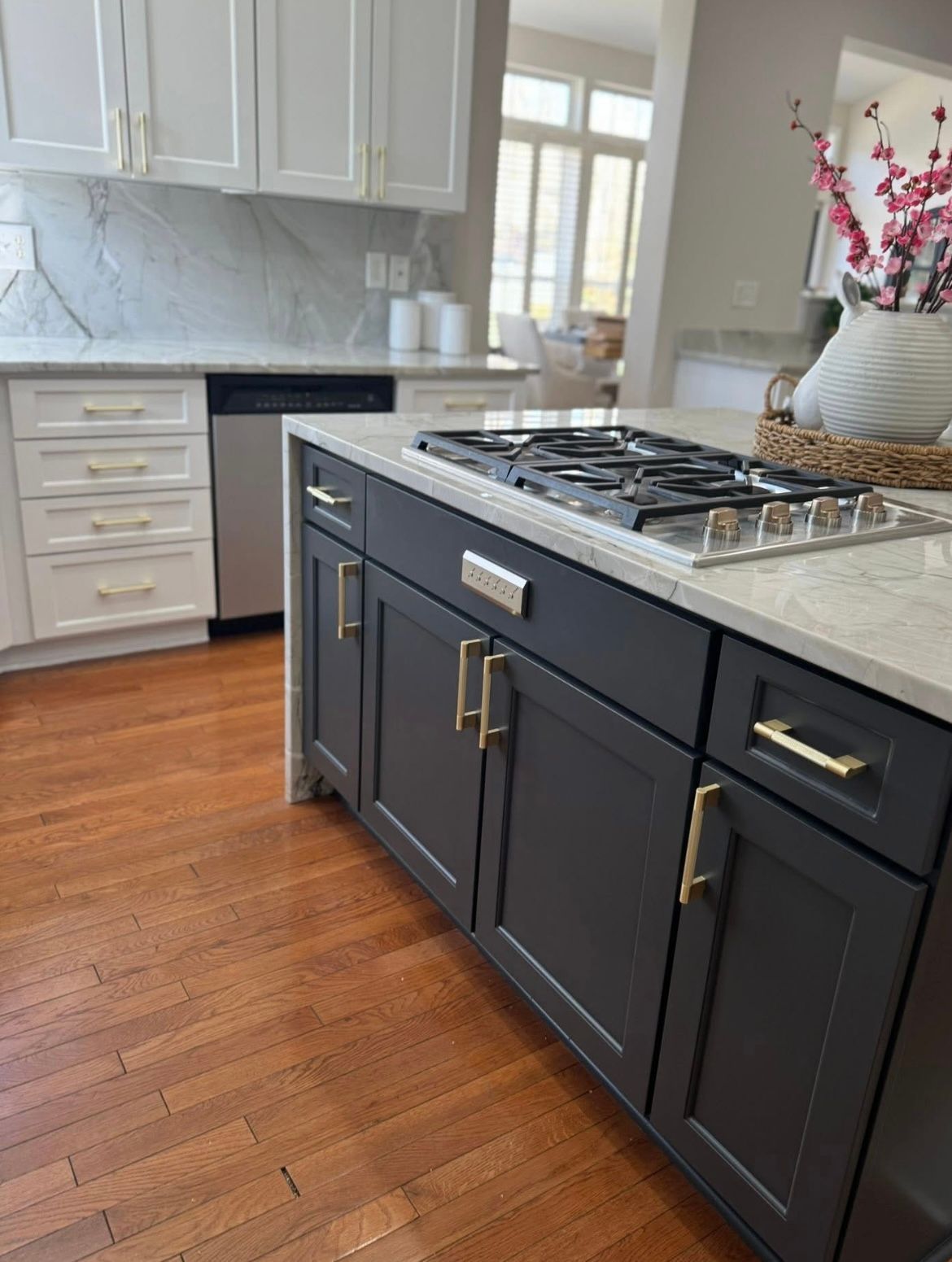
For example, if you notice the corners of your baseboards are chipping or if the paint behind the stove appears stained despite cleaning, a refresh is likely necessary. In these cases, applying a high-quality finish not only improves the look but adds a protective layer against further damage.
Limitations and Variations
It is important to note that these timelines assume the use of professional-grade materials and proper surface preparation. If a previous paint job was applied over dusty walls or without primer, it may peel or flake much sooner than expected. Additionally, environmental factors like high humidity or extreme temperature shifts in a home can shorten the lifespan of any interior coating.
If you are considering a refresh for your home, reaching out to a professional can ensure a lasting, high-quality finish. To discuss your project and receive a professional assessment, call Pacione Painting at (856) 381-7990 .
Pacione Painting provides expert craftsmanship and cleaning-focused interior services throughout the following areas:
- New Jersey: Woodbury, Mullica Hill, Cherry Hill, Voorhees, West Deptford, Westville, Woodbury Heights, Wenonah, Collingswood, Haddonfield, Marlton, Moorestown, Ocean City, and Hammonton.
- Pennsylvania: Philadelphia.
- Expertise Includes: Interior painting, cabinet refinishing, popcorn ceiling removal, wallpaper application and removal, deck staining, and epoxy floor coatings. Free estimates are available for all local residents.
Learn more. Read: Painting in Summer vs. Winter: Which Season Is Best in South Jersey? Here's What Homeowners Should Know
Here Are Some Other Questions We're Frequently Asked About Interior Paint:
Q: Does the type of paint finish affect how long it lasts?
A: Yes. Glossier finishes (like satin or semi-gloss) are more durable and easier to clean than flat or matte finishes, making them better suited for high-traffic areas.
Q: Can I just touch up the paint instead of repainting the whole room?
A: Touch-ups work best if you have the original paint and the walls haven't faded. If the paint is older than two years, the new patches will likely be visible, making a full wall-to-wall coat a better option.
Q: Why does bathroom paint peel faster?
A: Moisture is the primary cause. Without proper ventilation, steam can seep behind the paint film, causing it to lose its bond with the wall.
Reference Context: This article was developed based on industry standards for residential maintenance and architectural coating guidelines common in the professional painting industry.

I Found a Painting Contractor I Really Like, But They Can't Start When I Need Them To. What Do I Do?