Do Painters Move Furniture and Protect Floors? Here's What to Expect
This guide explains the standard preparation procedures for professional interior painting to help homeowners understand how their belongings and flooring are safeguarded during a project.
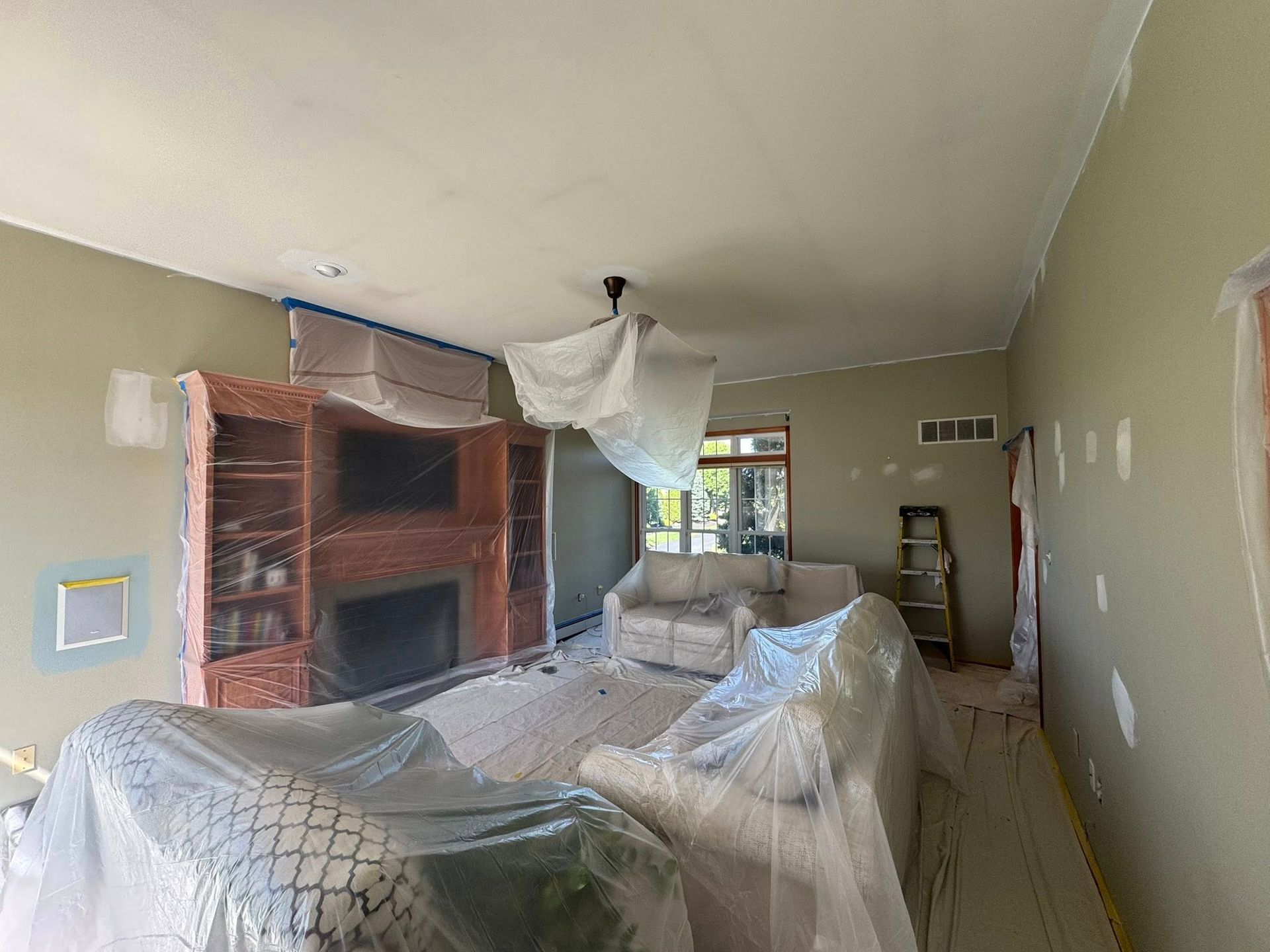
Yes, professional painters typically move large furniture to the center of the room and cover it with plastic sheeting. They also protect floors using heavy-duty canvas drop cloths or rosin paper. While painters handle bulky items, homeowners are generally responsible for moving small breakables, electronics, and wall decorations before the crew arrives.
That is the short answer. While most full-service painting companies include basic furniture shifting and floor masking in their labor, the extent of this service can vary depending on the specific contract and the weight of the items involved.
How Professionals Protect Your Interior
Reliable painting crews follow a strict preparation sequence to ensure your home remains spotless. This process is often more time-consuming than the actual painting, but it is essential for a high-quality finish.
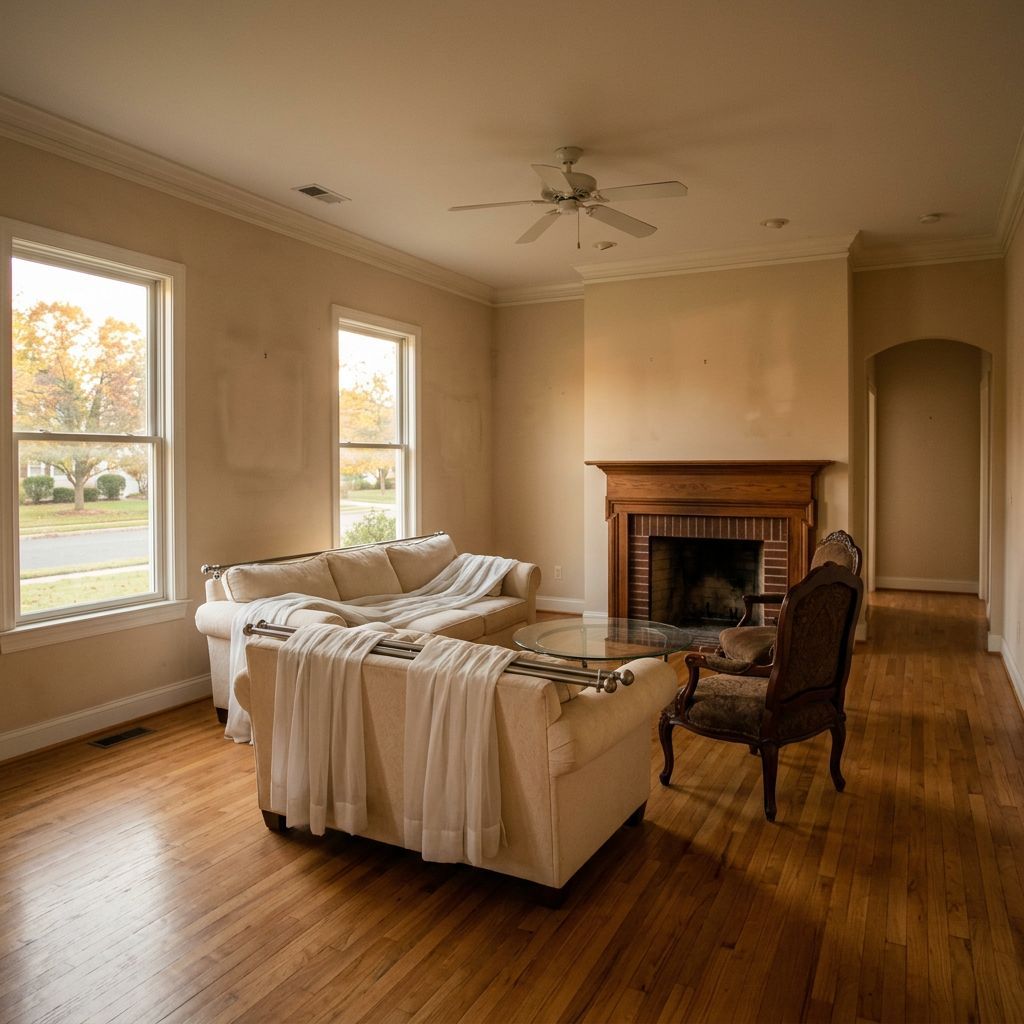
- Furniture Relocation: Painters move heavy items like sofas, dining tables, and beds away from the walls. These pieces are grouped in the center of the room to provide clear access to all surfaces.
- Surface Shielding: Once grouped, furniture is draped in thin plastic sheeting to protect against airborne dust from sanding and accidental paint splatters.
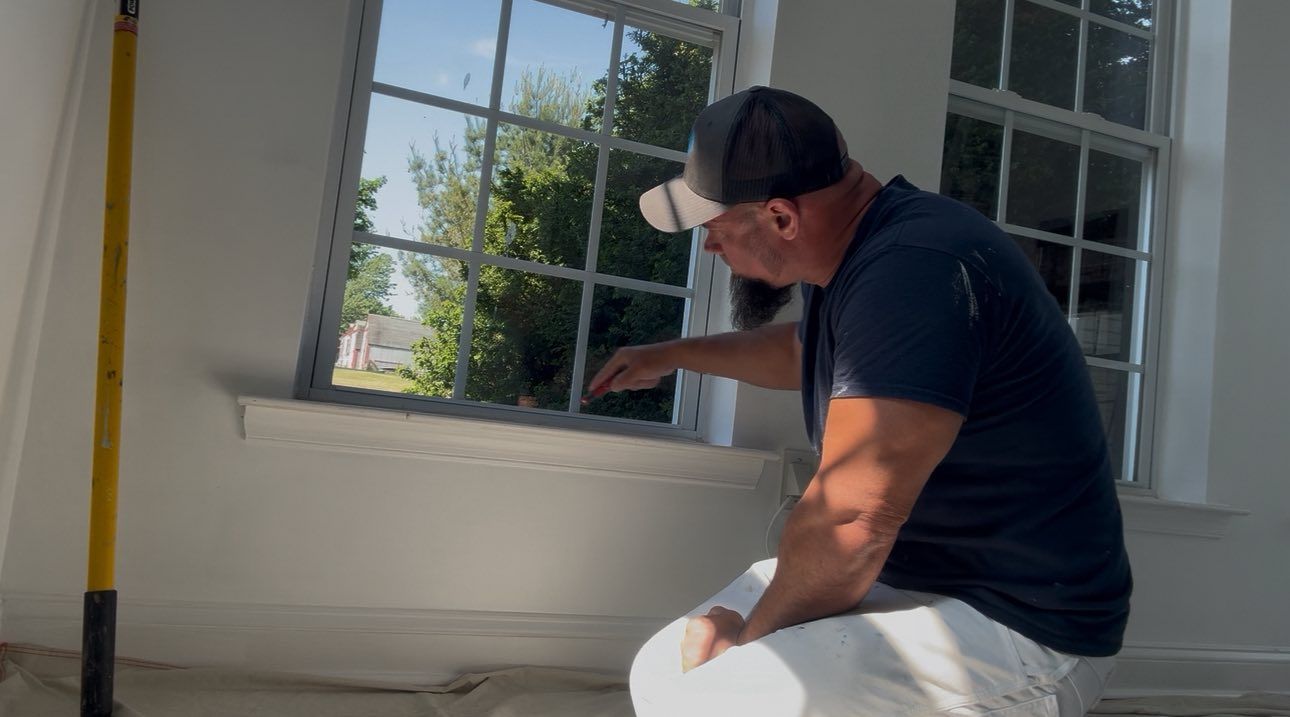
- Floor Masking: Depending on the surface, professionals use different materials. Canvas drop cloths are preferred for their durability and slip resistance, while rosin paper or specialized tape is used to seal edges along baseboards.
Preparation Beyond the Walls
The goal of thorough preparation is to create an efficient workspace while maintaining the integrity of your property. This applies to various specialized services where protection is paramount.
For many homeowners, this matters because it prevents costly damage to flooring and personal assets. In practice, painters also remove switch plates and outlet covers to ensure clean paint lines, and they use high-quality painter's tape to mask off trim, windows, and cabinetry. Whether you are scheduled for interior painting, cabinet refinishing, or popcorn ceiling removal, these protective measures remain the standard.
When Professional Help Has Limits
While painters are skilled at logistics, there are certain situations where their assistance may be limited:
- High-Value or Fragile Items: Most companies ask homeowners to move antiques, delicate glassware, and expensive electronics to avoid liability issues.
- Oversized Objects: Extremely heavy items like pianos or pool tables may require professional movers rather than a painting crew.
- Closet Contents: If closets are being painted, they must be completely emptied of clothes and shelving contents by the homeowner.
To schedule a free consultation call Pacione Painting at (856) 381-7990. We proudly serve residents throughout New Jersey and Pennsylvania, including Woodbury, Philadelphia, Mullica Hill, Cherry Hill, Voorhees, West Deptford, Westville, Woodbury Heights, Wenonah, Collingswood, Haddonfield, Marlton, Morristown, Ocean City, and Hammonton.
Here are some other Frequently Asked Questions that we get
Q: Do I need to empty my dresser before painters move it?
A: It is highly recommended. Emptying heavy furniture makes it safer to move and reduces the risk of structural strain on the piece.
Q: What happens if paint drips on my carpet?
A: Professional painters use absorbent canvas drop cloths to prevent seeps. If an accident occurs, they carry specialized cleaners to address the spill immediately before it sets.
Q: Will painters put my furniture back when they are finished?
A: Yes, part of a professional cleanup includes moving furniture back to its original position and reinstalling all switch plates and hardware.
Q: Do I need to provide the drop cloths and plastic?
A: No. A professional painting service provides all necessary protective materials, including tapes, papers, and heavy-duty cloths.
Editorial Note: This information is based on industry standards for residential interior painting. Preparation steps may vary by project scope, such as wallpaper application or epoxy floor coatings. Always verify specific preparation responsibilities during your initial consultation.

I Found a Painting Contractor I Really Like, But They Can't Start When I Need Them To. What Do I Do?