
What Is Included in a Wallpaper Removal Estimate? Here Is What You Need to Know!
November 20, 2025
A clear look at what professional wallpaper removal estimates include so you can compare quotes with confidence.
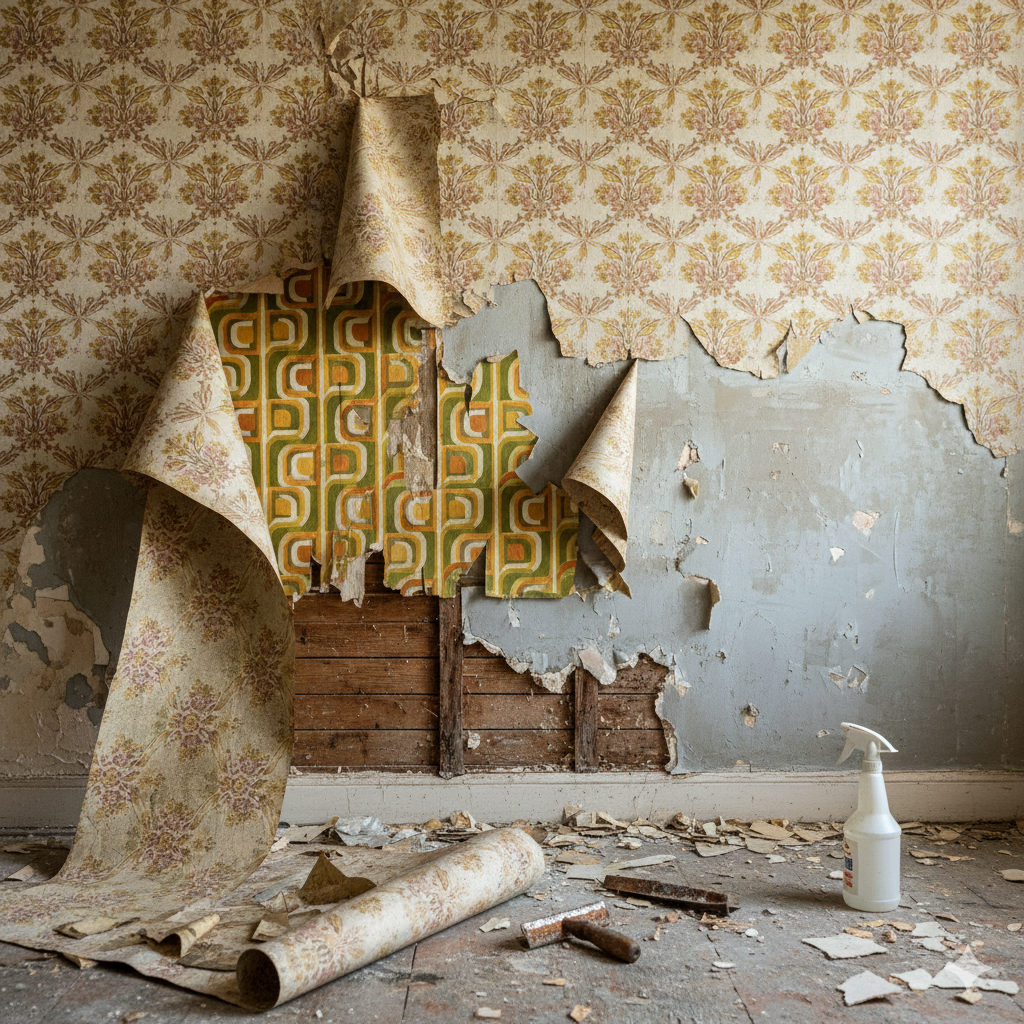
A wallpaper removal estimate usually includes labor, surface preparation, materials, repair allowances, project conditions, and cleanup.
Getting a wallpaper removal estimate should feel simple and straightforward. When you know what typically goes into a quote, it becomes much easier to compare contractors and understand what you are really paying for. Below is a friendly walk through of the usual estimate details, how most contractors price the work, and why Pacione Painting
approaches things a little differently in a way that benefits homeowners.
What A Wallpaper Removal Estimate Usually Covers
Labor for Wallpaper Removal
Labor is almost always the biggest part of the estimate. It generally includes things like:
- Removing wallpaper using steaming, scoring, or chemical methods
- Working carefully around trim, corners, and edges
- Safely dealing with strong or stubborn adhesives
Surface Preparation
Once the wallpaper is off, walls often need a bit of attention before painting. Most estimates include:
- Removing leftover adhesive
- Light sanding to smooth the surface
- Priming the walls once they are clean and dry
Materials and Supplies
Professionals bring the tools and protection needed for the job. This may include:
- Steamers or removal solutions
- Plastic floor covering and protective sheeting
- Tape, rags, and general prep items
Wall Repair Allowances
Sometimes you do not know what is behind wallpaper until it starts coming off. Most estimates include a small allowance for basic repairs, such as:
- Minor patching
- Filling little holes
- Smoothing uneven spots
If a wall needs heavier repairs, those are usually listed separately so there are no surprises.
Project Conditions That Affect Pricing
A good estimate also takes into account the unique details of your home, including:
- Room size
- Ceiling height
- Wallpaper type
- Strength of the adhesive
- How easily the crew can access the room
Cleanup and Disposal
No one wants a mess left behind. Cleanup typically includes:
- Removing all paper and debris
- Sweeping or vacuuming
- Wiping down the workspace so the room feels fresh and ready for next steps
How Most Painting Contractors Prepare Wallpaper Removal Estimates
Many painting contractors give homeowners a fixed price estimate based on what they can see during the initial visit. This approach works fine in some cases, but wallpaper can hide a lot. It is common to uncover things like:
- Multiple wallpaper layers
- Poorly installed paper
- Strong adhesive that takes more time than expected
- Damaged plaster or drywall beneath the wallpaper
Since these issues cannot be seen ahead of time, fixed price estimates often end up changing mid project. This can leave homeowners feeling frustrated or blindsided.
How Pacione Painting Prices Wallpaper Removal
Pacione Painting
uses hourly pricing for wallpaper removal, and the reasoning is simple. Once wallpaper begins to peel away, there may be surprises that no contractor could have predicted. Hourly pricing keeps the process fair for everyone because you only pay for the actual time needed.
Even better, Pacione Painting
has years of experience with all kinds of wallpaper situations. That means their team is excellent at estimating how long the job will probably take. Homeowners get the flexibility of hourly pricing paired with the reassurance of realistic expectations.
Pacione Painting
also offers interior painting, cabinet refinishing, popcorn ceiling removal, deck staining, epoxy floor coatings, and more.
Why Pacione Painting’s Approach Is Better for the Consumer
Pacione Painting’s approach is designed to protect you from surprises and unnecessary costs. Here is why their method stands out:
- You avoid unexpected charges. Hidden layers or wall damage do not automatically trigger new fees.
- You pay only for the time actually needed. If the wallpaper comes off easily, you save money.
- You can see the progress as it happens. The process feels more transparent and predictable.
- It works well for older homes. Many homes in South Jersey and Philadelphia have plaster walls or long forgotten wallpaper layers. Hourly pricing keeps things fair when conditions are unpredictable.
They give remarkably accurate time estimates. Their experience helps you feel comfortable with the overall plan.
Local Considerations for Wallpaper Removal in These Areas
Homes in places like Woodbury, Collingswood, Haddonfield, and Marlton often include older plaster walls that need extra care and patience during wallpaper removal. In coastal areas such as Ocean City, humidity can strengthen adhesives and make removal trickier. Pacione Painting understands these local quirks and factors them into their estimates from the start.
Service Areas Pacione Painting Serves
Pacione Painting proudly serves homeowners throughout Woodbury NJ, Philadelphia PA, Mullica Hill NJ, Cherry Hill NJ, Voorhees NJ, West Deptford NJ, Westville NJ, Woodbury Heights NJ, Wenonah NJ, Collingswood NJ, Haddonfield NJ, Marlton NJ, Morristown NJ, Ocean City NJ, and Hammonton NJ.
Ready to Get Your Wallpaper Removed?
Pacione Painting
Call: (856) 381-7990
Visit: southjerseypaintingcontractor.com
Pacione Painting
provides clear communication, careful workmanship, and accurate time expectations for wallpaper removal throughout South Jersey and the Philadelphia region.
Here are some questions we frequently get asked about wallpaper removal:
Q: How long does wallpaper removal usually take?
A: Most projects take one to three days depending on the room size and the condition of the wallpaper and walls.
Q: Why do some companies charge hourly for wallpaper removal?
A: Hourly pricing makes sense when contractors cannot predict hidden layers or wall conditions before the work begins.
Q: Can I paint immediately after removal?
A: Usually the walls need a little prep first. A professional will let you know the right timing.
Q: Will wallpaper removal damage my walls?
A: When done correctly, damage is minimal. Light repairs are often included in the estimate.
Q: What tends to slow down wallpaper removal the most?
A: Strong adhesive, multiple layers, and older plaster walls usually require more time.

I Found a Painting Contractor I Really Like, But They Can't Start When I Need Them To. What Do I Do?
Found a painting contractor you trust, but they cannot start when you need them? Learn how to evaluate your options and choose the right painter for your home.
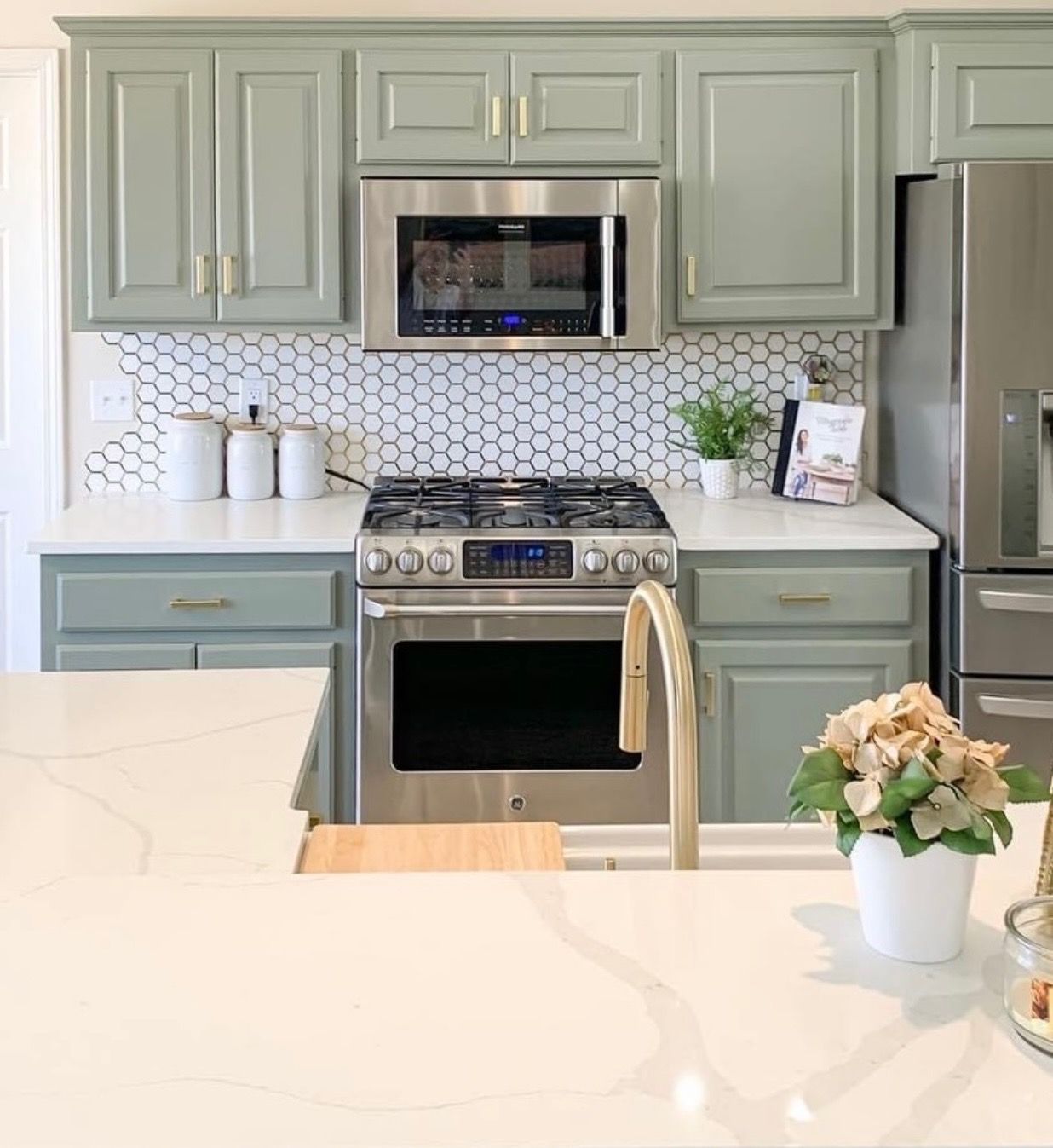
Do you need to stay home during a painting project? Learn what to expect, when you can leave, and how Pacione Painting makes the process simple and stress-free.
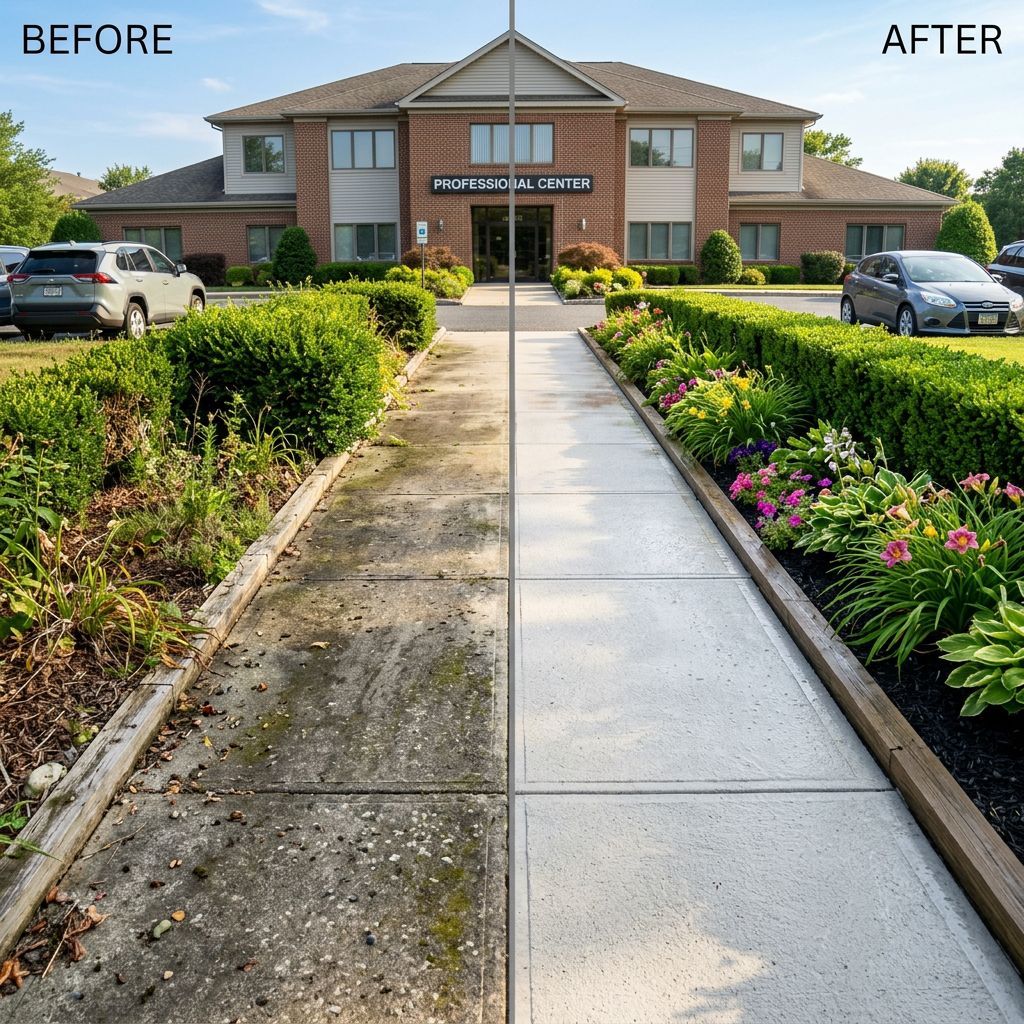
Learn how to choose the right power washing and soft washing company. Discover what to look for and call Pacione Painting for a free estimate.
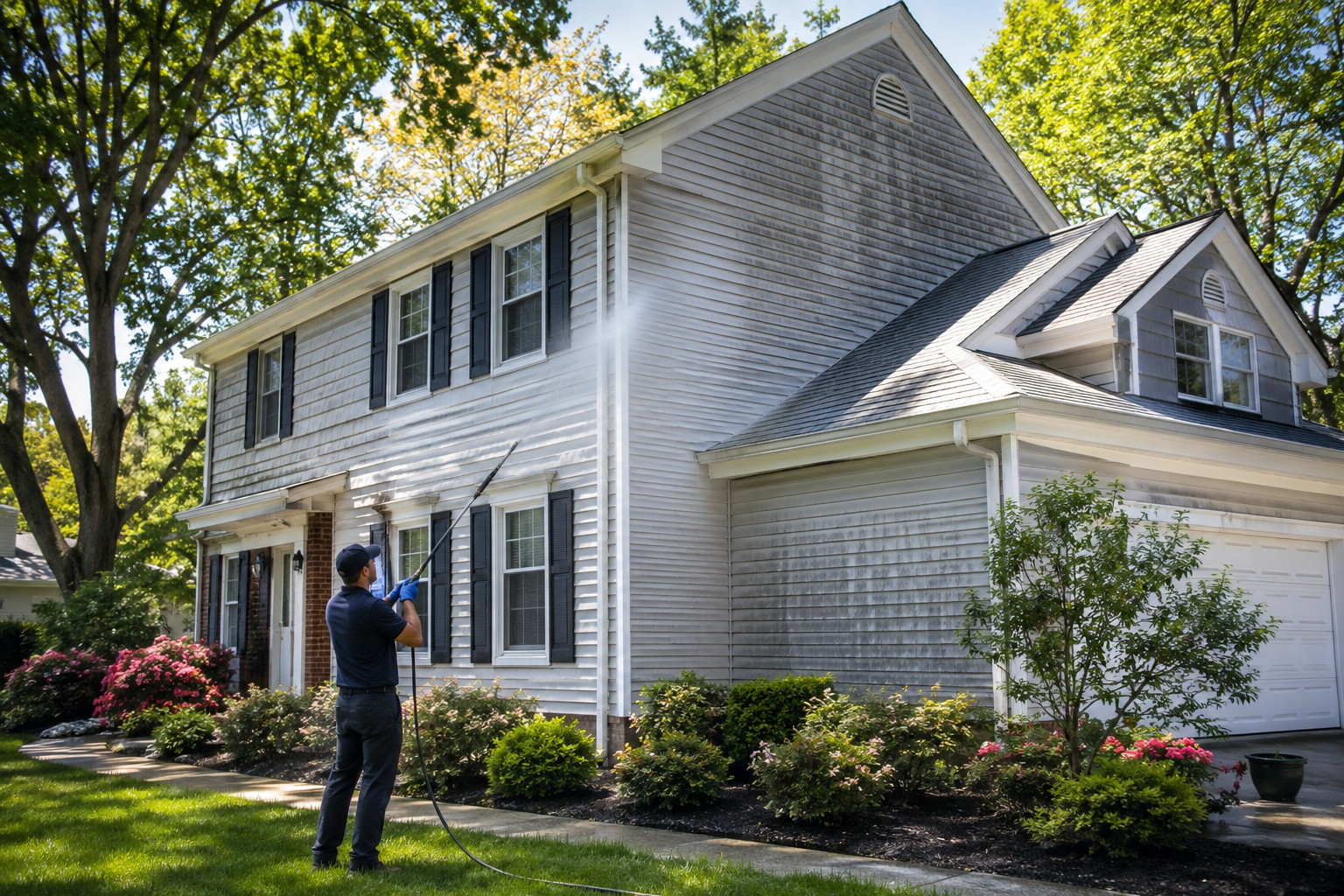
Learn how often your home should be professionally washed, why it matters, and how regular cleaning protects your property and curb appeal.
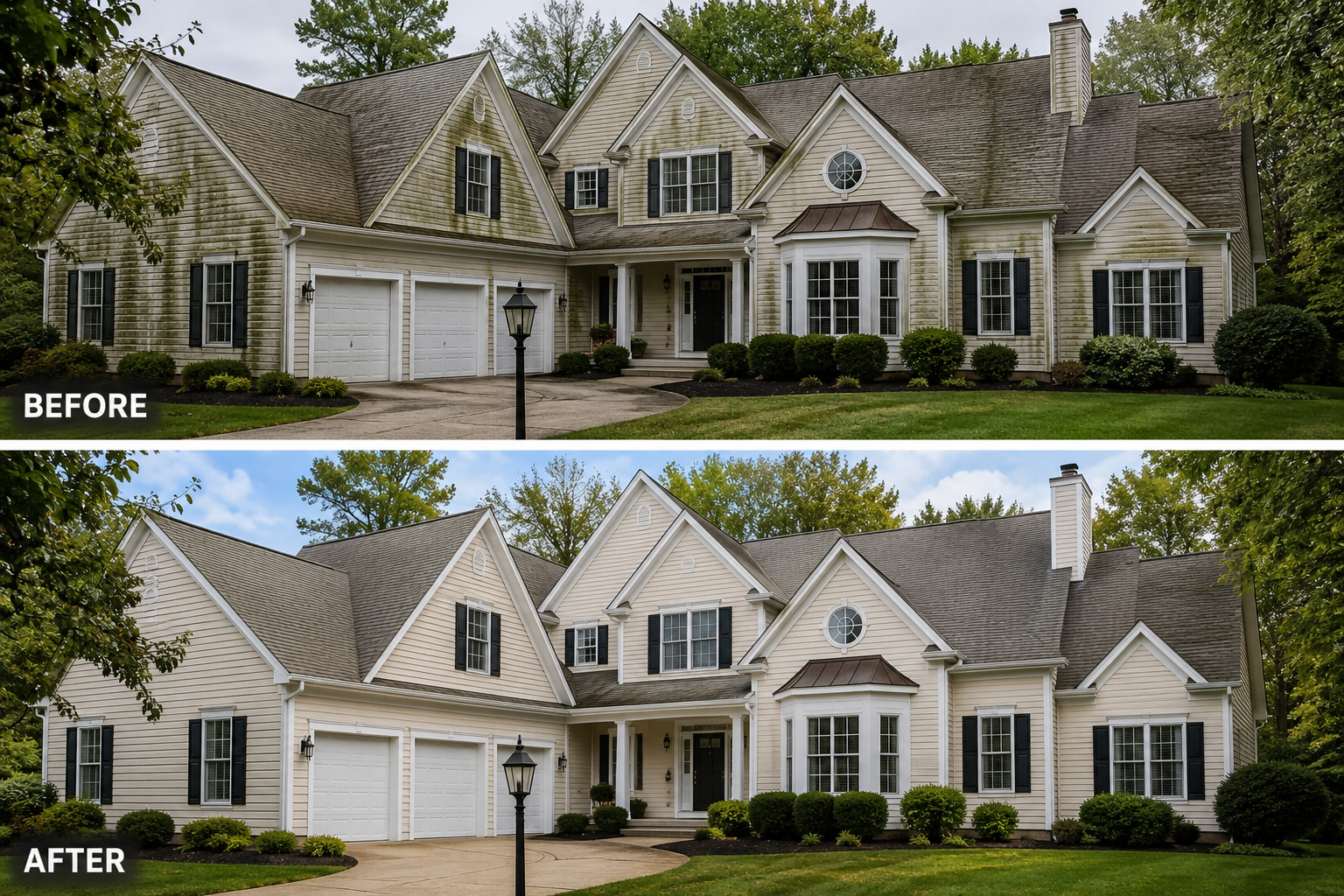
Learn the difference between power washing and soft washing, when to use each, and how they help protect your home's exterior.
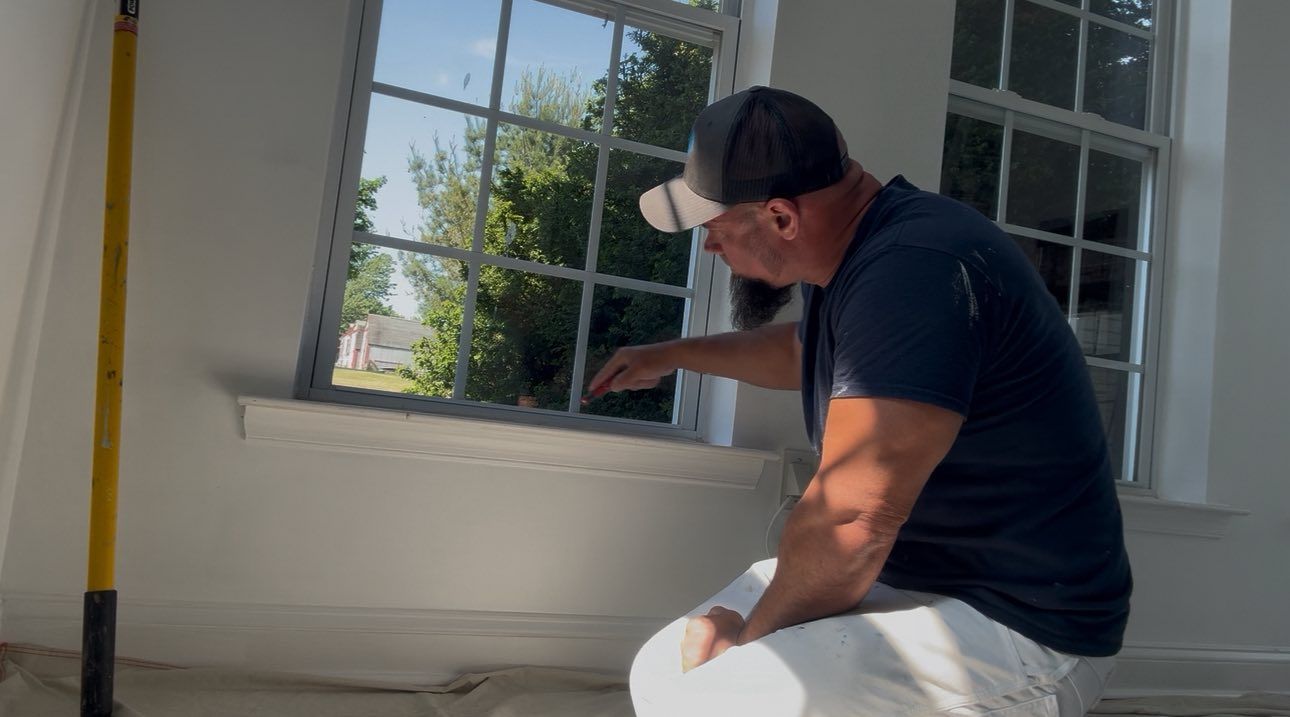
Learn how to find the best-rated painting company in South Jersey and Philadelphia. Discover what homeowners should look for before hiring painters.
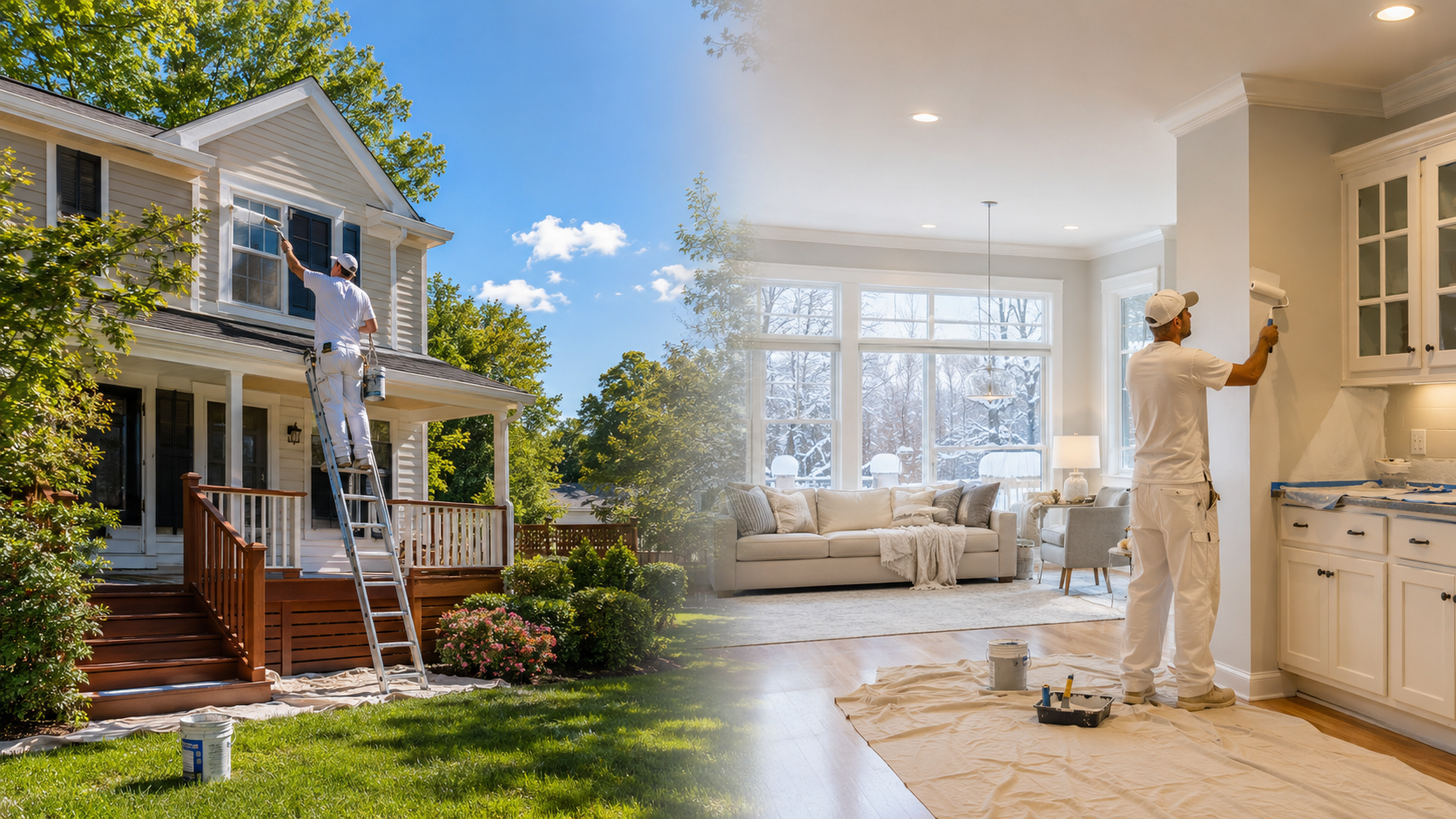
Learn whether summer or winter is best for residential painting in South Jersey, including interior and exterior project tips from Pacione Painting.
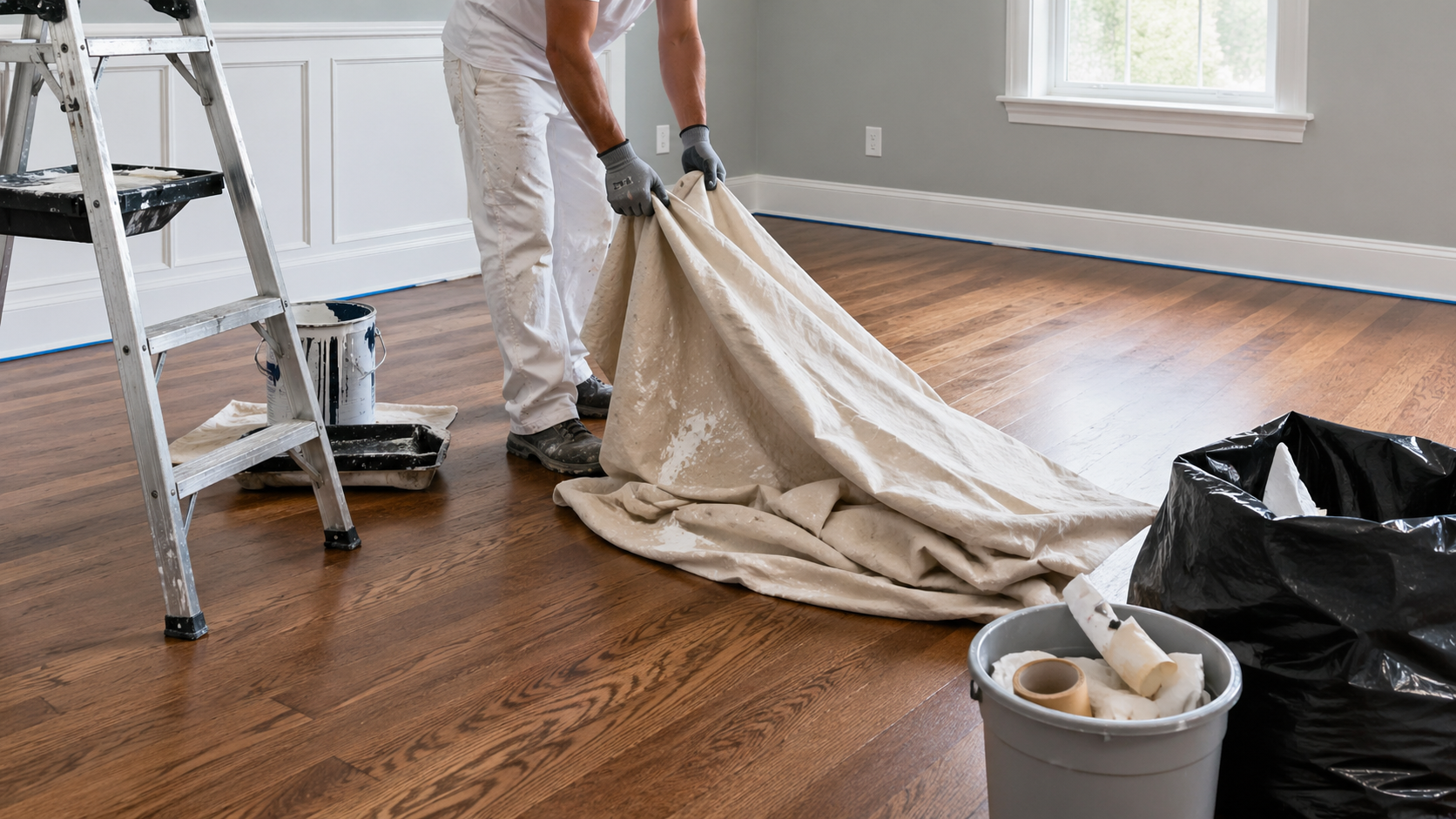
Do professional painters clean up after the job? Learn what homeowners should expect from trusted residential painting contractors.
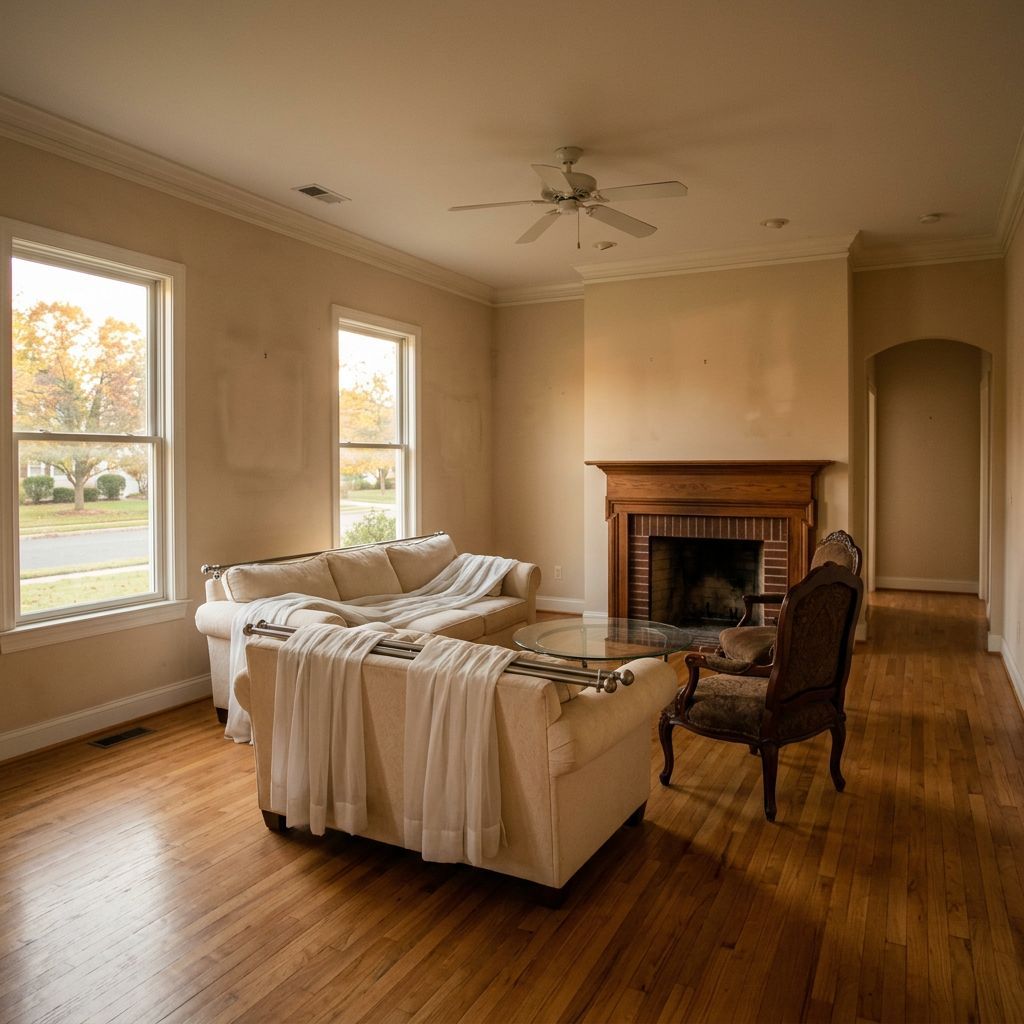
Learn how to prepare your home before painters arrive with simple steps to clear furniture, protect valuables, and ensure a smooth, professional painting project with Pacione Painting.
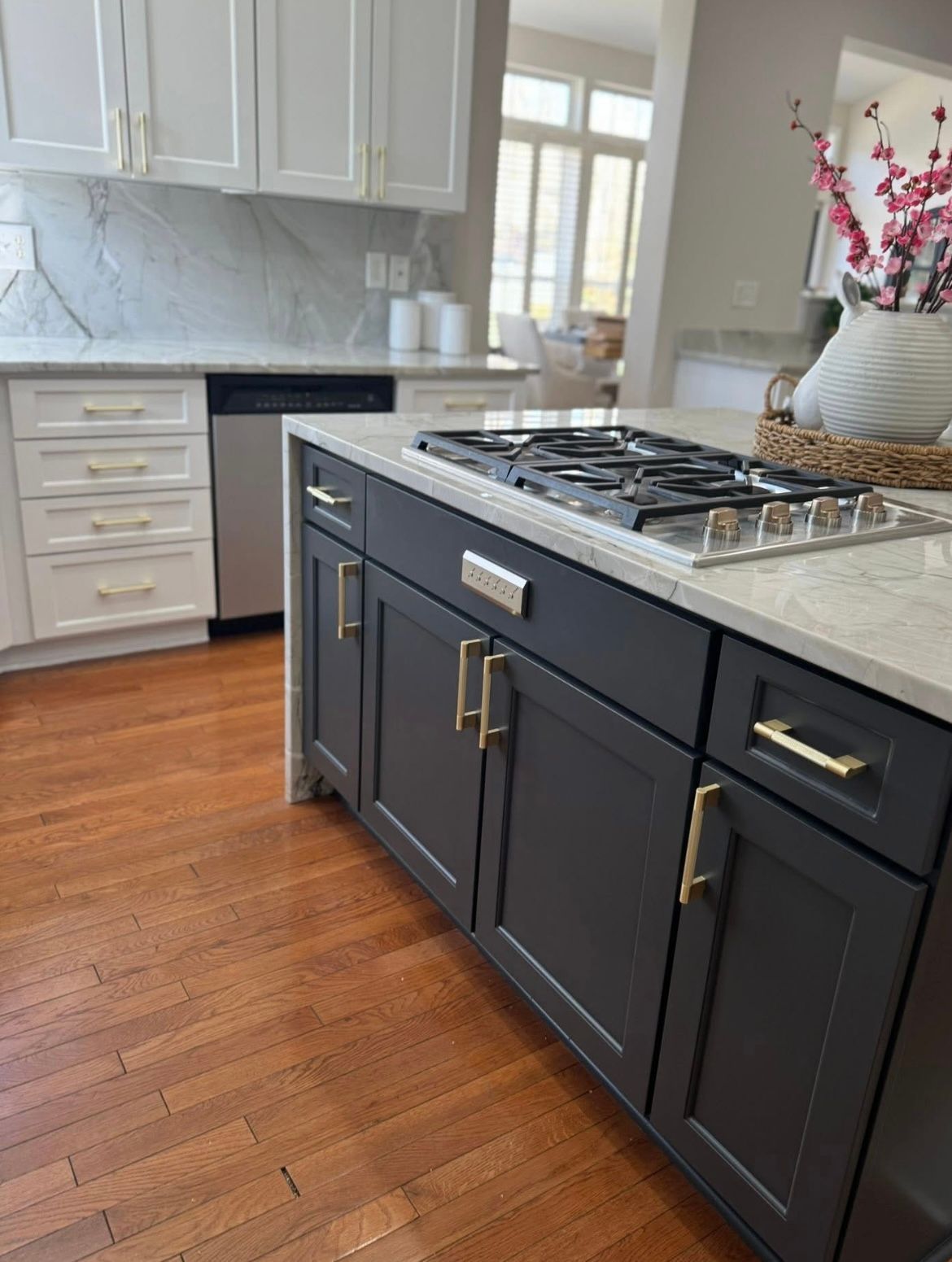
The best paint for kitchens, bathrooms, and high-traffic areas is a high-quality interior paint designed for durability and moisture resistance, typically in eggshell, flat, or matte finishes for walls, and semi-gloss for trim, because modern formulations offer washability, mold and mildew resistance, and better forgiveness over surface imperfections. Paint technology has evolved. While eggshell and semi-gloss were traditionally the go-to finishes, newer premium products now allow homeowners to use flat and matte finishes in kitchens and bathrooms without sacrificing durability. Here is what you need to know. Traditional Paint Finish Recommendations For years, the general rule was simple: Eggshell for walls Semi-gloss for trim and moisture-prone areas Semi-gloss has excellent durability and moisture resistance, but it is best suited for trim, doors, and cabinetry, not walls. On walls, it tends to highlight surface imperfections and can look overly shiny in living spaces. Eggshell became popular because it offered a balance of subtle sheen and moderate washability. Modern Paint Technology Changes the Game Today, premium products like Sherwin-Williams Duration interior paint have changed what is possible. Sherwin-Williams Duration Flat and Matte Modern flat and matte finishes, especially in Duration, are: Formulated specifically for kitchens and bathrooms Mold and mildew resistant Highly washable and scrubbable More forgiving of surface flaws Durable enough for active households This is a major shift from older flat paints, which were difficult to clean and prone to marking. Because of these improvements, many professional painters now recommend flat or matte finishes for kitchen and bathroom walls whenever possible. Why Flat and Matte Are Often Better for Walls In many homes, especially those with inherited builder-grade drywall, walls are not perfectly smooth. Higher-sheen finishes exaggerate: Drywall seams Patchwork repairs Roller marks Texture inconsistencies Flat and matte finishes diffuse light instead of reflecting it. This makes them far more forgiving and creates a softer, more uniform appearance. For homeowners throughout Woodbury NJ, Cherry Hill NJ, and Philadelphia PA, this often results in a cleaner, more refined final look. Where Semi-Gloss Still Belongs Semi-gloss remains an excellent choice for: Trim Doors Window casings Crown molding High-moisture area trim in bathrooms It offers superior durability and moisture resistance in these specific applications, just not on full wall surfaces. What About High-Traffic Areas? Hallways, stairwells, mudrooms, and entryways see constant use. Today’s high-quality flat and matte paints can handle: Frequent wiping Scuffs and fingerprints Light scrubbing Eggshell remains a solid traditional option, but many homeowners prefer matte or flat for the smoother, more forgiving appearance. Homes in Ocean City NJ and Hammonton NJ, where humidity can be higher, especially benefit from mold- and mildew-resistant wall coatings. Surface Prep Still Matters Most No matter the finish, durability depends on proper preparation: Cleaning and degreasing Repairing drywall imperfections Priming when needed Applying the correct number of coats High-quality residential painting focuses on craftsmanship, cleanliness, and customer satisfaction. That is especially important for kitchens, bathrooms, and high-traffic areas where performance matters most. Services such as interior painting, cabinet refinishing, popcorn ceiling removal, wallpaper application and removal, deck staining, and epoxy floor coatings all require the right prep and product selection to last. Homeowners across Mullica Hill NJ, Voorhees NJ, West Deptford NJ, Westville NJ, Woodbury Heights NJ, Wenonah NJ, Collingswood NJ, Haddonfield NJ, Marlton NJ, and Morristown NJ often find that professional guidance prevents costly mistakes and premature repainting. Local Expertise Makes a Difference Coastal conditions in Ocean City NJ expose homes to humidity and salt air. Older properties in Woodbury NJ and Haddonfield NJ may have drywall inconsistencies. Newer construction in Cherry Hill NJ and Marlton NJ may still show common builder imperfections. Choosing the right finish, especially flat or matte for forgiveness, can dramatically improve the final appearance. Ready to Upgrade Your Walls? If you want a durable, mold-resistant finish that still looks smooth and refined, professional product selection and application make all the difference. Call Pacione Painting at (856) 381-7990 . We specialize in high-quality residential painting with a focus on craftsmanship, cleanliness, and customer satisfaction. Free estimates are available. Need help choosing colors or paint types? Go deeper Read: Can Painters Help Choose Colors? Here’s what to know before you decide What Is the Difference Between Low, Mid, and High-Quality Paint Jobs? A Complete Guide Here Are Some Other Frequently Asked Questions We Often Asked: Q: Is flat paint okay for kitchens and bathrooms? A: Yes, when using modern premium products like Sherwin-Williams Duration Flat or Matte. These are formulated to be washable and mold resistant. Q: Why avoid semi-gloss on walls? A: Semi-gloss reflects a lot of light and highlights drywall imperfections. It is better suited for trim and moisture-prone trim areas. Q: Is eggshell still a good choice? A: Yes. Eggshell remains a traditional and reliable option for walls, especially in moderate-traffic areas. Q: What finish hides wall imperfections best? A: Flat and matte finishes are the most forgiving and help minimize the appearance of seams, patches, and texture flaws. Q: Do high-humidity areas require special paint? A: Yes. Mold- and mildew-resistant formulations are important in bathrooms, kitchens, and coastal homes. Conclusion The best paint for kitchens, bathrooms, and high-traffic areas is no longer limited to eggshell or semi-gloss. Thanks to modern formulations like Sherwin-Williams Duration Flat and Matte, homeowners can achieve durability, washability, and mold resistance while maintaining a smooth, forgiving finish. Choosing the right product and applying it correctly ensures long-lasting, professional results.