Should You Power Wash Your House Before Painting It? Here's What Every Homeowner Should Know!
Learn why cleaning your home's exterior before painting matters, when power washing is the right choice, and how professional preparation helps achieve a smooth, long-lasting finish. Pacione Painting helps homeowners throughout South Jersey and Philadelphia prepare their homes for beautiful, lasting results.
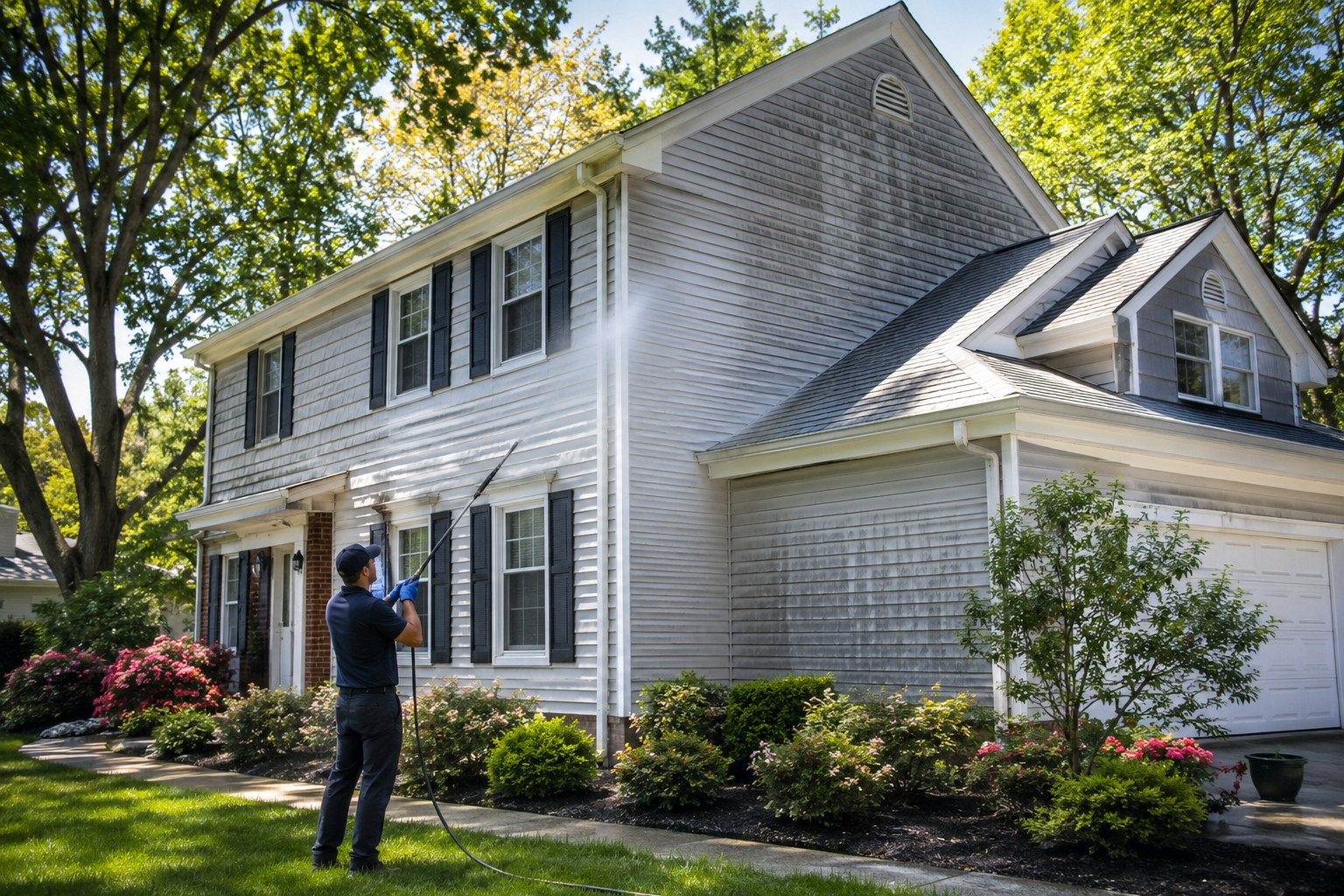
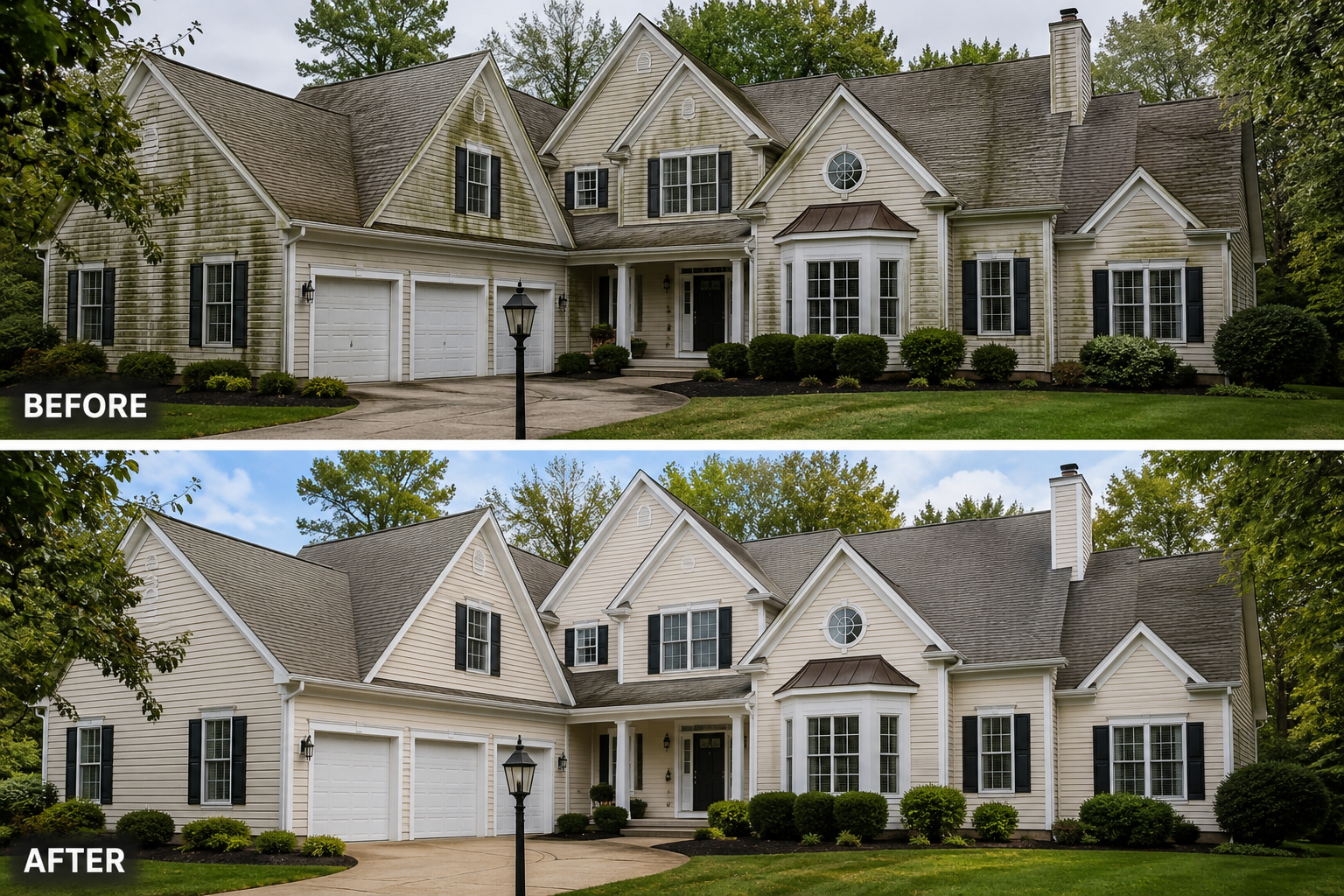
Yes, you should generally clean your house before painting it, and power washing is an effective way to remove dirt, grime, pollen, mildew, and loose debris from exterior surfaces. However, the pressure must be appropriate for the material being cleaned. Proper preparation helps paint adhere better and creates a cleaner, more durable finish.
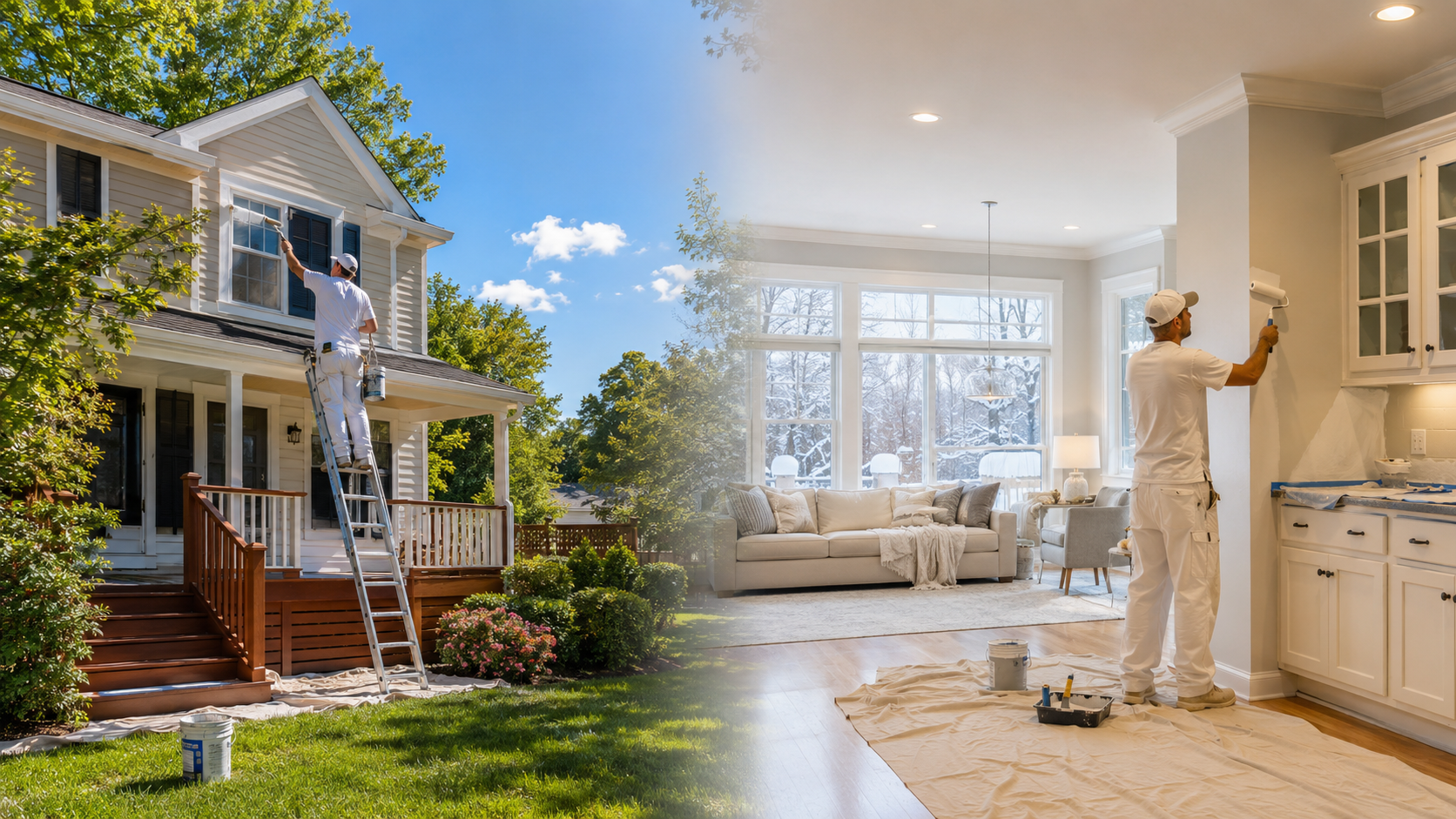
Cleaning your home's exterior before painting is one of the most important steps in a successful paint job. Applying paint over dirt, mildew, or peeling paint can lead to poor adhesion, uneven coverage, and premature paint failure.
The right cleaning method depends on your home's siding, its condition, and the type of buildup present. In many cases, professional power washing or soft washing provides an effective starting point for exterior painting.
For homeowners in Woodbury, Cherry Hill, Mullica Hill, and surrounding communities, understanding this process can help protect your investment and improve the finished appearance of your home.
Why Should You Power Wash Your House Before Painting?
Exterior paint needs a clean, properly prepared surface to adhere effectively. Over time, siding accumulates dust, pollen, cobwebs, exhaust residue, mildew, and other contaminants that interfere with paint application.
Cleaning before painting offers several important benefits.
1. It Helps Paint Adhere to the Surface
Paint applied over dirt or other contaminants may not bond properly to the siding. This can contribute to peeling, flaking, bubbling, or premature deterioration.
Power washing, when appropriate for the surface, helps remove accumulated grime so the new paint can bond to a properly prepared exterior.
2. It Removes Dirt, Pollen, and Mildew
Homes throughout South Jersey and the Philadelphia region experience seasonal pollen, humidity, rain, and changing temperatures. These conditions can contribute to exterior buildup, particularly on shaded siding and areas with limited airflow.
Cleaning helps remove these contaminants before painting. If mildew or mold is present, it may also require an appropriate cleaning treatment rather than water pressure alone.
3. It Creates a More Consistent Finish
Dirt and residue can interfere with the appearance of fresh paint. A clean surface gives painters a better foundation for applying an even coat.
Proper preparation also helps identify areas that need additional attention, such as peeling paint, damaged siding, or deteriorated caulking.
4. It Supports the Longevity of Your Paint Job
Exterior painting is an investment in your home's appearance and protection. Skipping essential preparation can increase the risk of premature paint problems.
Cleaning, scraping loose paint, making necessary repairs, priming where appropriate, and allowing the surface to dry all contribute to a more dependable result.
Power Washing vs. Soft Washing: Which Is Better Before Painting?
Power washing and soft washing both clean exterior surfaces, but they use different approaches. Choosing the right method is important because excessive pressure can damage siding, trim, wood, and other materials.
What Is Power Washing?
Power washing uses pressurized water to remove dirt and stubborn buildup. Depending on the equipment, power washing may also use heated water.
It can be suitable for certain durable surfaces when the pressure, nozzle, and technique are appropriate.
Common applications may include:
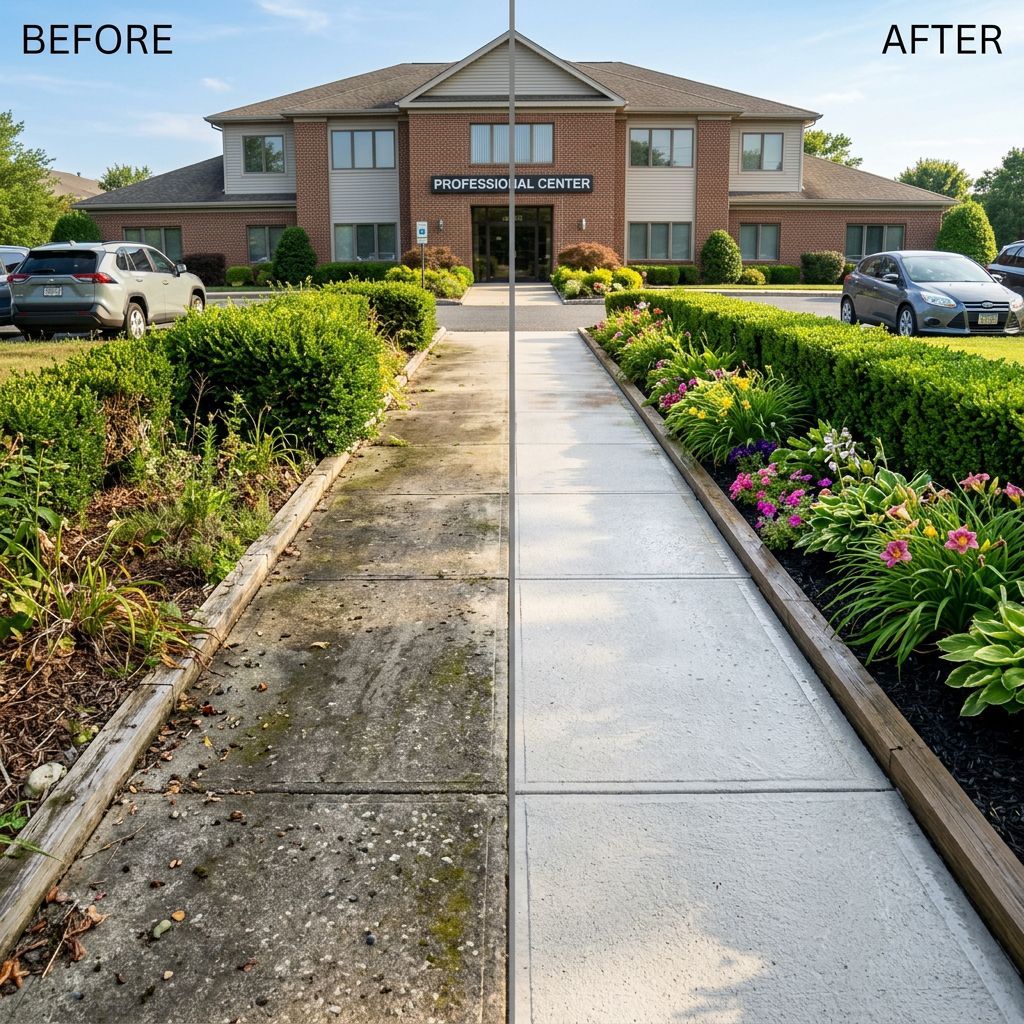
- Concrete walkways and driveways.
- Some masonry surfaces.
- Certain durable exterior surfaces that can tolerate the selected pressure.
- Removing loose surface debris before further preparation.
Power washing is not automatically the best option for every house. Excessive pressure can force water behind siding, damage wood fibers, strip protective finishes, or harm delicate surfaces.
What Is Soft Washing?
Soft washing uses lower water pressure, often combined with appropriate cleaning solutions, to loosen and remove dirt, algae, and organic growth.
It may be a better option for more delicate exterior materials, including some vinyl siding, painted surfaces, and other areas where high pressure presents a risk.
Soft washing is particularly useful when organic growth needs treatment rather than simply being blasted away with water.
Which Method Should You Choose?
The best cleaning method depends on your home's exterior material, the condition of the existing paint, and the type of dirt or buildup present. Choosing the right approach helps clean the surface effectively without causing unnecessary damage.
Power washing may be appropriate for:
- Concrete driveways and walkways: These durable surfaces can often tolerate higher water pressure when the equipment and technique are suitable.
- Certain masonry surfaces: Brick and other masonry may benefit from pressure washing, but the material's age, condition, and mortar integrity must be considered.
- Durable exterior surfaces with stubborn dirt: Some surfaces can be cleaned with controlled pressure when a professional determines that the method is safe.
Soft washing may be a better choice for:
- Vinyl siding: Lower pressure can help remove dirt and organic buildup while reducing the risk of forcing water behind the panels.
- Painted exterior surfaces: Gentle cleaning can help remove surface contaminants without unnecessarily damaging the existing finish.
- Areas with algae or mildew: Appropriate cleaning solutions can help treat organic growth without relying on excessive pressure.
- More delicate or aging materials: Older siding and weathered surfaces may need a gentler approach to avoid damage.
When should you avoid pressure washing?
If your siding is cracked, loose, deteriorating, or otherwise damaged, pressure washing may make the problem worse.
Older wood siding and surfaces with failing paint may also require special care. Homes with older paint should be evaluated for lead-safe preparation practices before any paint is disturbed.
When in doubt, have a professional assess the exterior before cleaning begins. The goal is to remove contaminants and prepare the surface properly, not to use the highest possible water pressure.
How Long Should You Wait to Paint After Power Washing?
You should wait until the exterior surface is thoroughly dry before applying paint. The exact drying time depends on the material, weather conditions, humidity, sunlight, airflow, and how much water the cleaning process introduces.
In favorable conditions, some surfaces may dry within 24 hours. Others may require 48 hours or longer, particularly in cool, humid, or shaded areas.
Before painting, consider the following factors:
- Weather: Rain, high humidity, and cool temperatures can slow drying.
- Surface material: Porous wood and masonry may retain moisture longer than some other materials.
- Shade and airflow: North-facing walls and sheltered areas often dry more slowly.
- Paint manufacturer's instructions: Follow the specified surface moisture requirements and application conditions.
Do not rely on a fixed waiting period alone. The surface must meet the paint manufacturer's requirements before application.
Painting over damp siding can interfere with adhesion and may contribute to blistering, peeling, or other finish problems.
What Else Should You Do Before Painting Your House?
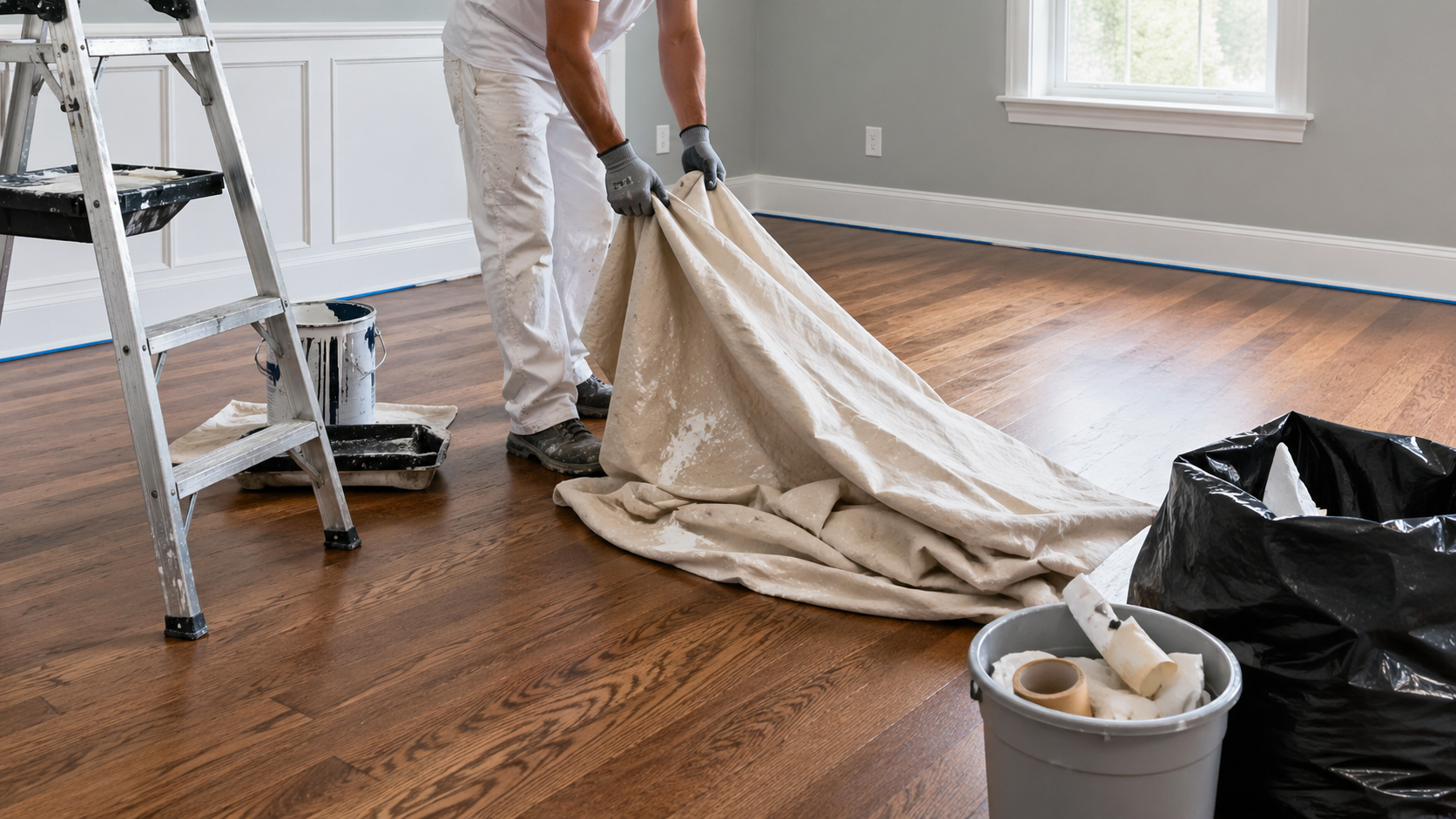
Power washing is only one part of exterior painting preparation. A successful project requires several steps to help ensure the new finish looks good and performs as intended.
Step 1: Inspect the Exterior
Look for peeling paint, damaged siding, mildew, cracked caulking, and areas where moisture may be entering the home.
Identifying these problems early helps determine what preparation and repairs are necessary.
Step 2: Clean the Surface
Use a cleaning method suited to the home's exterior. Remove dirt, cobwebs, pollen, and other buildup without damaging the siding or existing finish.
Step 3: Allow Everything to Dry
Give the surface enough time to dry completely, taking the weather and material into account.
Step 4: Scrape and Sand Where Needed
Loose or failing paint should be addressed before applying a new coating. Depending on the surface, scraping and sanding may be necessary to create a stable foundation.
Homes built before 1978 may have lead-based paint. Before disturbing older paint, follow applicable lead-safe practices and consider a qualified professional.
Step 5: Repair and Caulk
Replace damaged materials where needed and address appropriate gaps or failed caulking. Repairs help create a more uniform appearance and reduce potential moisture intrusion.
Step 6: Prime and Paint
Apply primer where required, then use a suitable exterior paint according to the manufacturer's directions. Product selection should account for the surface material, existing coating, and exposure conditions.
Each step contributes to the quality of the finished project.
Can You Paint Your House Without Power Washing It?
Yes, in some situations. Power washing is not required for every exterior painting project.
If the surface is already clean and free of significant contaminants, a different cleaning method may be sufficient. Hand washing, brushing, or other appropriate techniques can sometimes prepare the surface effectively.
However, painting over dirt, mildew, chalking residue, or loose debris is not recommended.
The important question is not whether you must use a power washer. It is whether the surface has been cleaned and prepared properly for the specific paint system.
A professional painting contractor can determine whether power washing, soft washing, hand cleaning, or a combination of methods is appropriate.
Should You Hire a Professional to Power Wash Before Painting?
Professional cleaning can help reduce the risk of surface damage and ensure that preparation is coordinated with the painting process.
An experienced painting contractor understands that different surfaces require different levels of pressure, cleaning solutions, and preparation techniques.
Professional preparation can be particularly helpful when:
- Your home has multiple siding materials.
- Mildew or algae covers large areas.
- Existing paint is peeling or deteriorating.
- The exterior has hard-to-reach areas.
- You want cleaning, repairs, and painting handled as part of one project.
Choosing a contractor who prioritizes preparation helps you focus on the finished result, not just the application of paint.
Why Choose Pacione Painting for Your Exterior Painting Project?
Pacione Painting specializes in high-quality residential painting, with a focus on craftsmanship, cleanliness, and customer satisfaction.
For homeowners seeking exterior painting in South Jersey and Philadelphia, proper preparation is an important part of achieving a beautiful finish.
Pacione Painting offers a range of residential services, including:
- Exterior painting: Refresh your home's appearance with a carefully prepared exterior painting project.
- Interior painting: Update interior walls and living spaces with a professional finish.
- Cabinet refinishing: Improve the appearance of existing cabinets.
- Popcorn ceiling removal: Modernize interior ceilings.
- Wallpaper application and removal: Update your walls with new finishes.
- Deck staining: Maintain and refresh the appearance of outdoor wood surfaces.
- Epoxy floor coatings: Create a finished surface for suitable floors.
- Power washing and soft washing: Clean exterior surfaces using an approach suited to the material and condition.
Pacione Painting also offers free estimates, giving homeowners an opportunity to discuss their project and understand the work involved.
Whether you need a full exterior repaint, interior updates, or help preparing surfaces before painting, working with a residential painting specialist can make the process more straightforward.
Serving South Jersey and Philadelphia Homeowners
Pacione Painting proudly serves homeowners throughout South Jersey and Philadelphia, including the following communities:
- Woodbury, NJ
- Philadelphia, PA
- Mullica Hill, NJ
- Cherry Hill, NJ
- Voorhees, NJ
- West Deptford, NJ
- Westville, NJ
- Woodbury Heights, NJ
- Wenonah, NJ
- Collingswood, NJ
- Haddonfield, NJ
- Marlton, NJ
- Morristown, NJ
- Ocean City, NJ
- Hammonton, NJ
From established neighborhoods in Haddonfield and Collingswood to homes in Cherry Hill, Woodbury, and Mullica Hill, exterior painting projects benefit from preparation suited to the home's materials and local environmental conditions.
Seasonal pollen, humidity, shade, and moisture can affect exterior cleanliness and paint performance. Proper cleaning and surface preparation help address these concerns before a new coat of paint is applied.
If you live in one of these communities and are considering an exterior painting project, Pacione Painting can help you explore the appropriate services for your home.
Ready to Prepare Your Home for a Fresh Coat of Paint?
Cleaning your home's exterior before painting helps remove contaminants, improve surface preparation, and support a more durable finish. The right approach depends on your siding, existing paint, and environmental conditions.
Whether your home needs power washing, soft washing, surface repairs, or a complete exterior repaint, proper preparation is an essential part of the process.
Call Pacione Painting at (856) 381-7990 to discuss your painting project and request your free estimate.
Pacione Painting proudly serves homeowners in Woodbury, Cherry Hill, Mullica Hill, Voorhees, Philadelphia, and surrounding communities.
Frequently Asked Questions About Power Washing Before Painting
Is power washing necessary before exterior painting?
Not always, but the exterior must be clean and properly prepared. Power washing is effective for many surfaces, while soft washing or hand cleaning may be better for delicate materials or lightly soiled areas.
Can power washing damage my home's siding?
Yes. Excessive pressure or improper technique can damage siding, strip wood fibers, break seals, or force water behind exterior materials. The pressure and cleaning method should match the surface.
How long after power washing can I paint my house?
Some surfaces may dry within 24 hours, while others need 48 hours or longer. Weather, humidity, material type, and shade all affect drying time. Always confirm that the surface meets the paint manufacturer's requirements before painting.
Should I power wash before scraping peeling paint?
Cleaning can be part of the preparation process, but it does not replace scraping or other necessary surface preparation. Loose paint should be removed safely, and the surface should be allowed to dry before further work.
Does Pacione Painting offer power washing and exterior painting?
Yes. Pacione Painting offers power washing, soft washing, and residential exterior painting, along with other interior and exterior services. Homeowners can call (856) 381-7990 to discuss their project and request a free estimate.

I Found a Painting Contractor I Really Like, But They Can't Start When I Need Them To. What Do I Do?