Why Is My Paint Peeling, Bubbling, or Cracking? Here's What Homeowners Need to Know
Peeling, bubbling, and cracking paint are more than cosmetic problems. They can signal moisture, poor surface preparation, or paint failure. Understanding what's causing the damage can help you protect your home and know when it's time to call a professional painter.
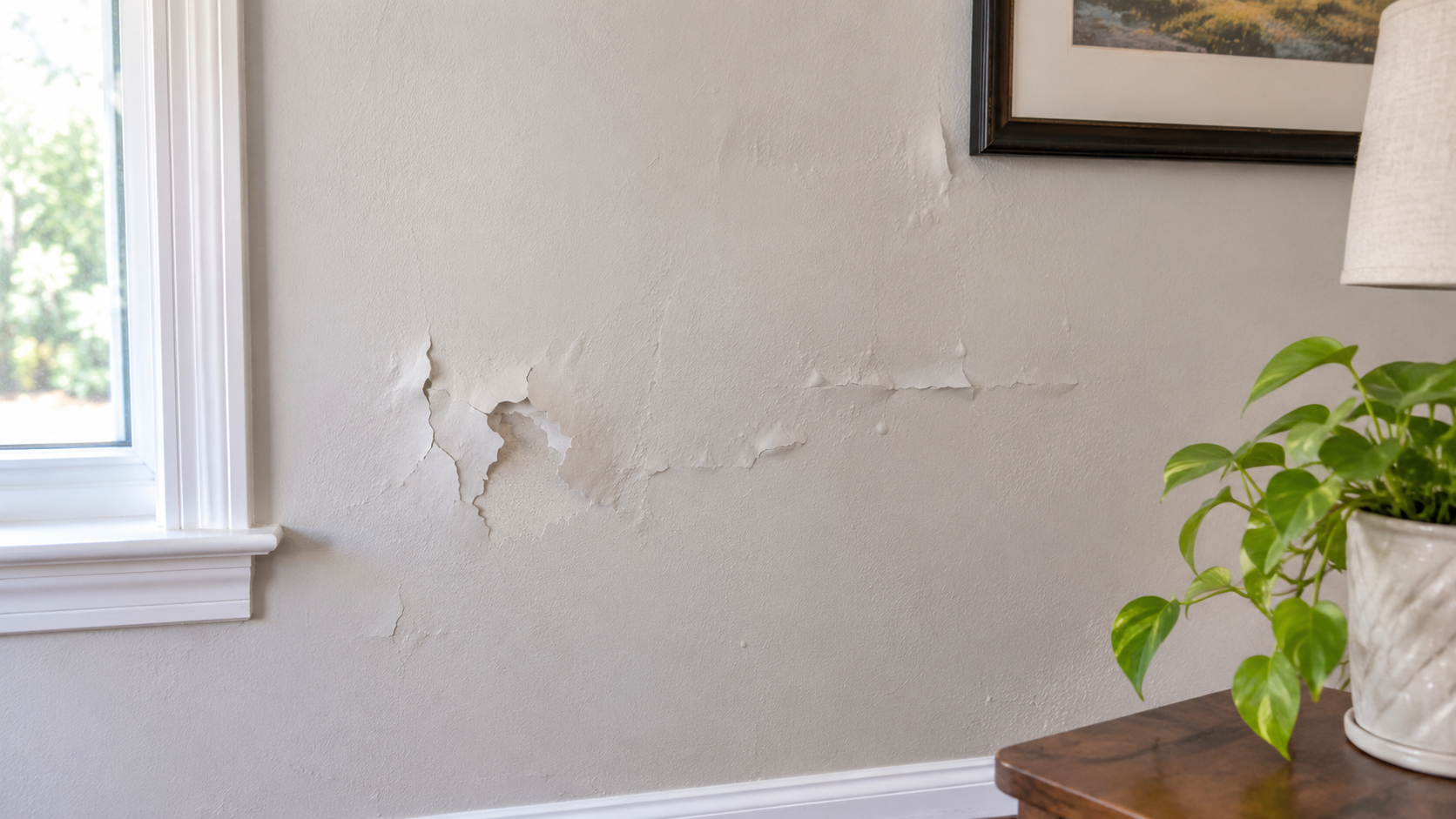
Paint peels, bubbles, or cracks when it loses its ability to bond properly to the surface, often because of moisture, poor preparation, temperature changes, incompatible paint layers, or aging. Identifying the underlying cause is essential before repainting, because applying fresh paint over damaged areas without correcting the problem can lead to the same issues returning.
Paint problems are common in homes, especially in areas exposed to humidity, fluctuating temperatures, sunlight, and everyday wear. While some peeling or cracking may be minor, widespread paint failure can indicate a deeper issue that needs attention.
If your walls, ceilings, trim, siding, or other painted surfaces are showing signs of damage, understanding why it happens is the first step toward a lasting solution.
What Causes Paint to Peel, Bubble, or Crack?
Paint is designed to create a protective, durable finish. When the surface underneath is compromised or the paint cannot properly adhere, that finish begins to fail.
Here are the most common causes homeowners experience.
1. Moisture Behind the Paint
Moisture is one of the leading causes of peeling and bubbling paint.
Water can enter through roof leaks, plumbing problems, poorly sealed windows, exterior siding, or areas with excessive humidity. When moisture becomes trapped behind the paint, it can weaken the bond between the paint and the surface.
Common signs of moisture-related paint damage include:
- Paint bubbles or blisters
- Peeling paint near windows or ceilings
- Discoloration or water stains
- Soft or damaged drywall
- Paint peeling in bathrooms, kitchens, or basements
Before repainting, the source of moisture should be identified and corrected. Otherwise, the new paint may begin peeling again.
2. Poor Surface Preparation
Paint needs a clean, stable surface to adhere properly. Dirt, grease, dust, loose paint, and other contaminants can prevent paint from bonding.
Poor preparation may include:
- Painting over dirty walls
- Leaving loose or peeling paint in place
- Skipping sanding
- Failing to repair damaged drywall
- Not using the appropriate primer
Proper preparation is one of the most important steps in achieving a smooth, professional-looking finish that lasts.
3. Applying Paint in the Wrong Conditions
Temperature and humidity can significantly affect how paint dries and cures.
Painting in conditions that are too hot, too cold, or too humid can interfere with adhesion and drying. When paint dries too quickly or too slowly, it may become vulnerable to cracking, bubbling, or peeling.
This is particularly important for exterior painting, where weather conditions can change throughout the day.
4. Using Incompatible Paint Products
Sometimes paint failure happens because different products do not work well together.
For example, applying a new coating over an older finish without proper preparation or using the wrong primer can cause the new paint to lose adhesion.
The correct primer and paint system should be selected based on the existing surface, the previous coating, and whether the project is indoors or outdoors.
5. Aging Paint and Natural Wear
Paint doesn't last forever. Over time, exposure to sunlight, moisture, temperature changes, and daily use can cause painted surfaces to deteriorate.
Exterior paint is particularly vulnerable to UV exposure and weather. Interior paint may wear down in high-traffic areas, around doorways, along baseboards, or in rooms exposed to frequent moisture.
When paint begins to crack, chalk, peel, or fade extensively, repainting may be the best way to restore the appearance and protection of the surface.
How to Tell What Is Causing Your Paint to Fail
The location and appearance of the damage can often help identify the cause.
Bubbling or blistering paint
Often caused by moisture, excessive heat, or poor adhesion. Bubbles may form when the paint separates from the surface.
Peeling or flaking paint
Commonly associated with poor preparation, moisture intrusion, or multiple failing paint layers.
Cracked or splitting paint
May develop because of aging paint, brittle coatings, excessive paint buildup, or movement in the underlying surface.
Faded or chalky paint
Often caused by prolonged sun exposure, weathering, and the natural breakdown of exterior paint.
Can You Paint Over Peeling or Bubbling Paint?
You can repaint a damaged surface, but simply covering peeling or bubbling paint is rarely a lasting solution.
The damaged paint needs to be addressed first. Depending on the condition of the surface, the repair process may involve:
- Scraping away loose or failing paint.
- Identifying and correcting moisture or other underlying problems.
- Sanding rough edges to create a smooth transition.
- Repairing damaged drywall, wood, or other surfaces.
- Applying the appropriate primer.
- Applying new paint using the correct technique and conditions.
Skipping these steps may cause the new paint to peel, bubble, or crack shortly after the project is completed.
Professional painters understand that a long-lasting paint job starts with the surface, not just the final coat of paint.
How to Prevent Paint From Peeling, Bubbling, or Cracking Again
Preventing paint failure comes down to proper preparation, quality materials, and controlling the conditions in which paint is applied.
Keep Moisture Under Control
Repair leaks, address ventilation problems, and make sure moisture isn't entering through walls, ceilings, windows, or exterior surfaces.
Bathrooms, kitchens, laundry rooms, and basements may require special attention because of their moisture levels.
Prepare Surfaces Properly
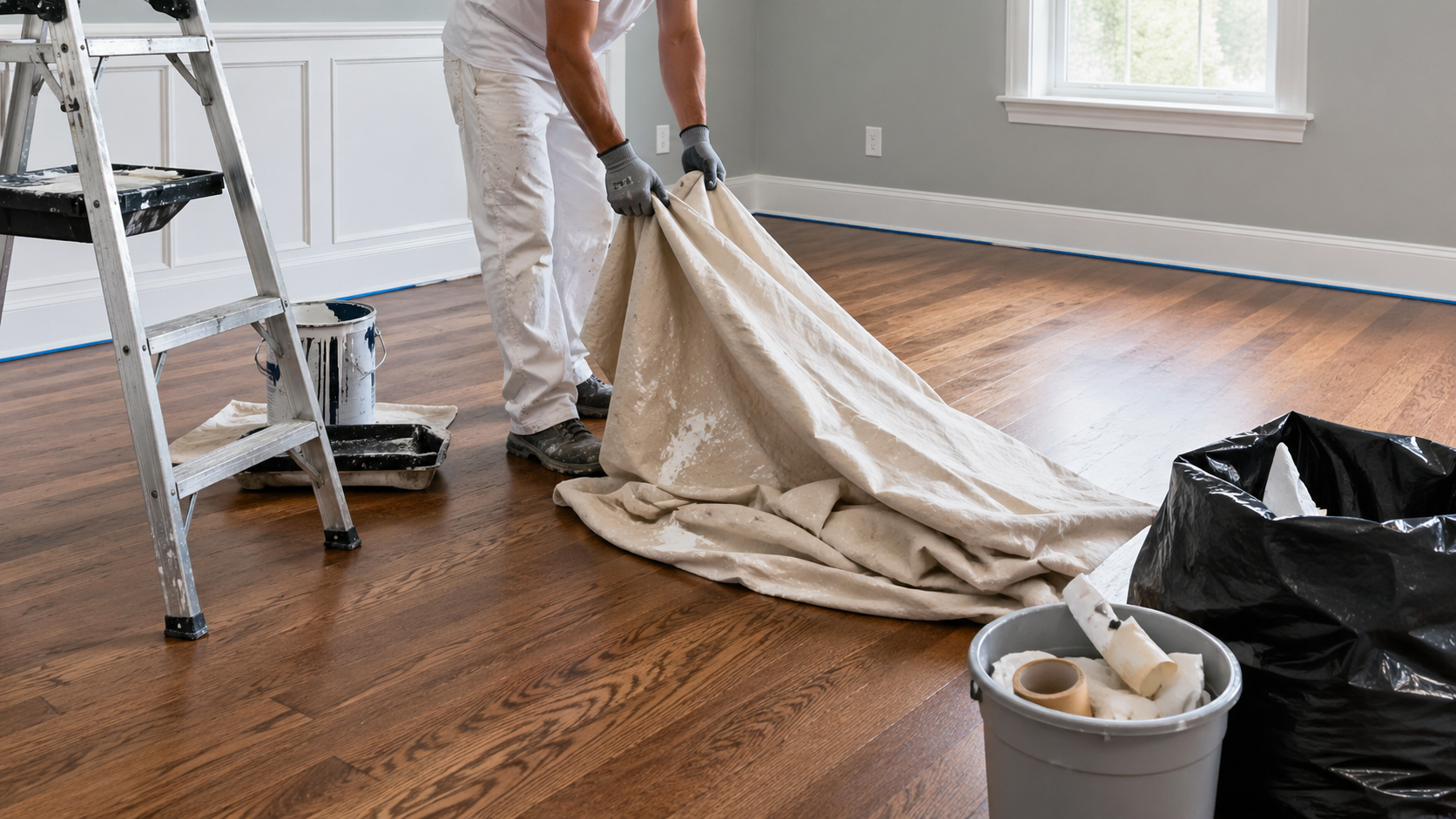
Cleaning, scraping, sanding, patching, and priming help create a surface that is ready to accept paint.
Paint should never be applied over loose, dirty, or unstable coatings.
Use Quality Paint and Primer
Using the right products for your specific surface can make a significant difference in durability and appearance.
Different surfaces, including drywall, wood, masonry, cabinets, and exterior siding, may require different preparation methods and coatings.
Hire an Experienced Painting Professional
Professional painters can identify surface problems, recommend appropriate solutions, and complete the preparation work needed to help your new finish last.
A quality paint job is about more than applying color. It's about protecting your home and creating a clean, finished appearance.
When Should You Call a Professional Painter?
You may be able to handle minor touch-ups yourself, but professional help is worth considering when:
- Paint is peeling across large sections of a wall or ceiling.
- Bubbling or blistering keeps coming back.
- Multiple layers of paint are cracking or separating.
- Exterior siding or trim is deteriorating.
- You need extensive drywall repairs before painting.
- You want a smooth, consistent finish without the mess or hassle.
- You are preparing your home for sale or updating its appearance.
If paint failure is widespread or recurring, having the surface evaluated before repainting can help prevent wasted time and money.
Professional Residential Painting Services From Pacione Painting
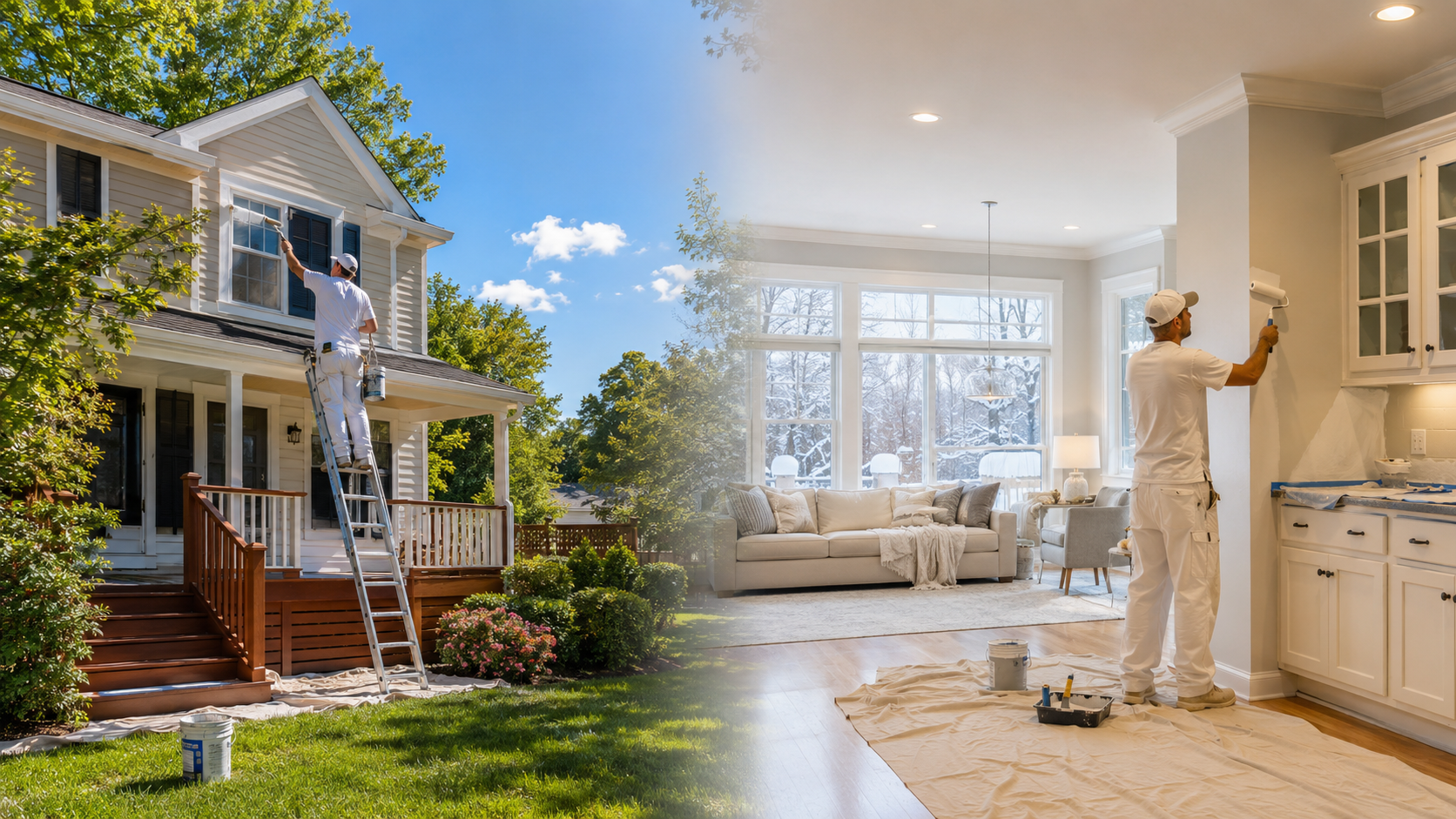
When your home's paint is peeling, cracking, bubbling, or simply showing its age, Pacione Painting can help restore your surfaces with a focus on craftsmanship, cleanliness, and customer satisfaction.
Pacione Painting specializes in high-quality residential painting and offers services designed to improve the appearance and condition of your home.
Residential Painting and Home Improvement Services
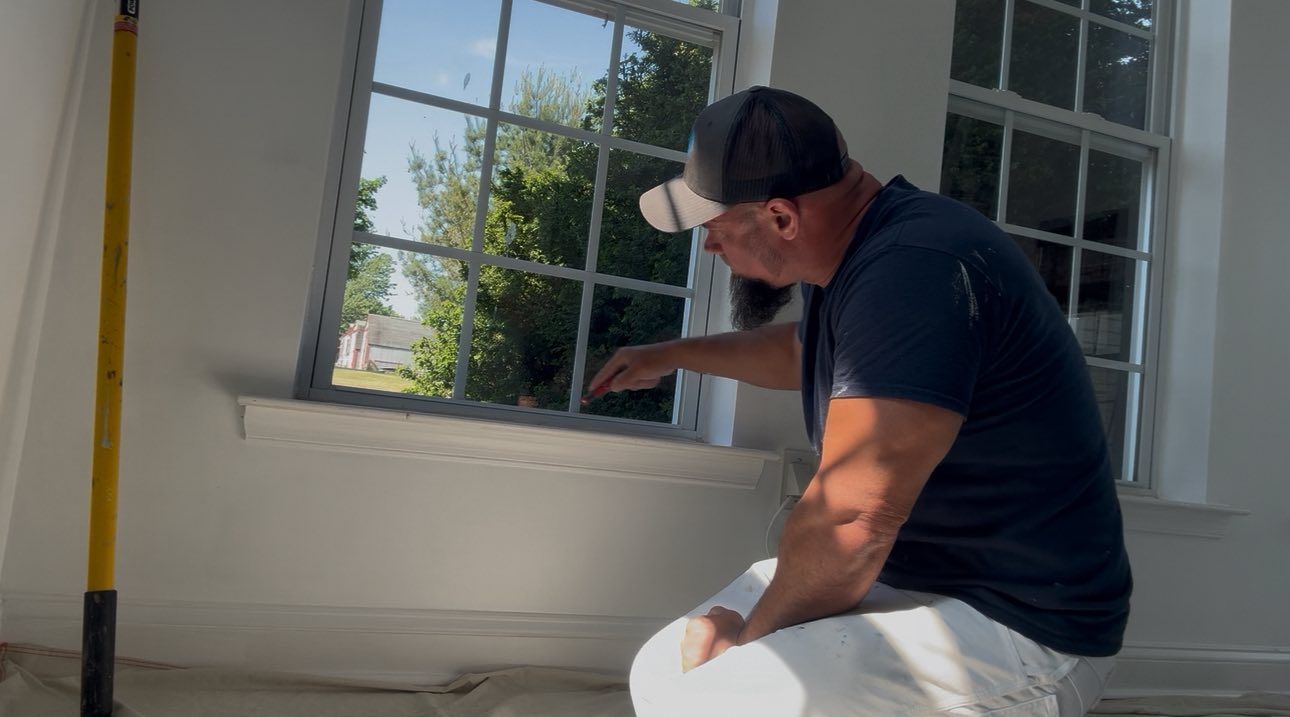
- Interior painting: Refresh walls, ceilings, trim, doors, and living spaces with a clean, professional finish.
- Exterior painting: Improve curb appeal and protect exterior surfaces from weather and wear.
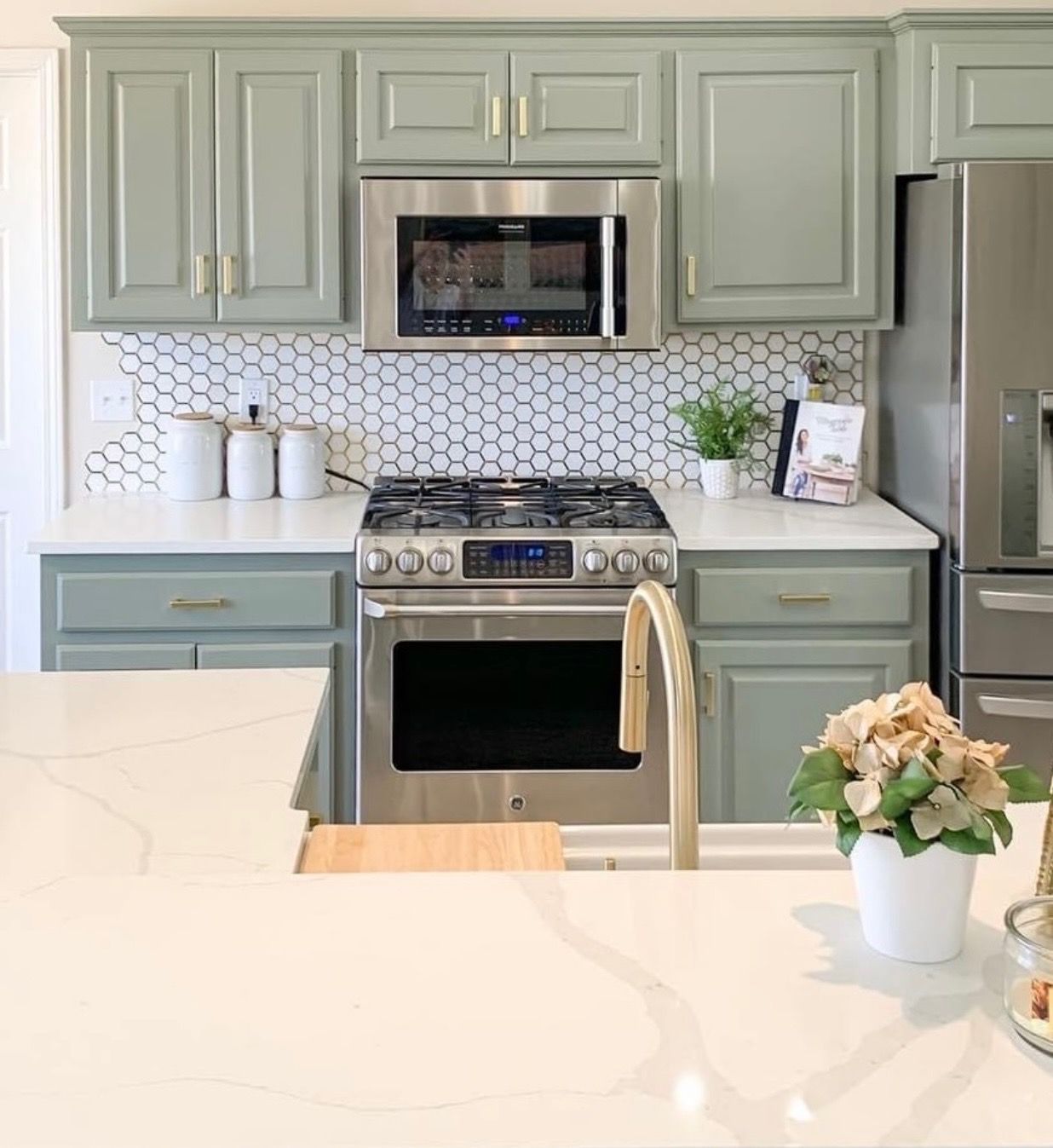
- Cabinet refinishing: Give kitchen and bathroom cabinets a refreshed appearance without necessarily replacing them.
- Popcorn ceiling removal: Update outdated textured ceilings for a cleaner, more modern look.
- Wallpaper application and removal: Remove old wallpaper or install new wallpaper for an updated interior.
- Deck staining: Help protect and refresh outdoor wood surfaces.
- Epoxy floor coatings: Create durable, attractive floor finishes for suitable spaces.
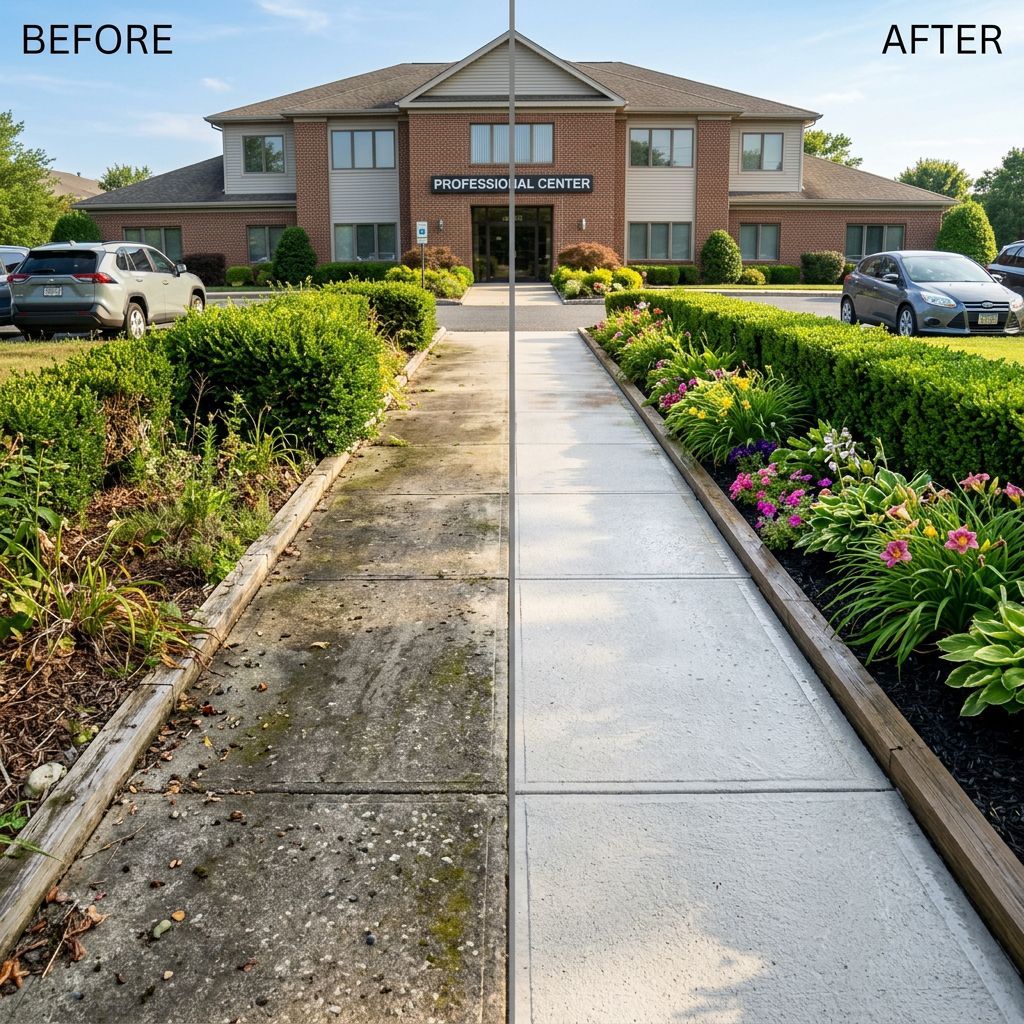
- Power washing: Remove dirt, buildup, and surface contaminants from exterior areas.
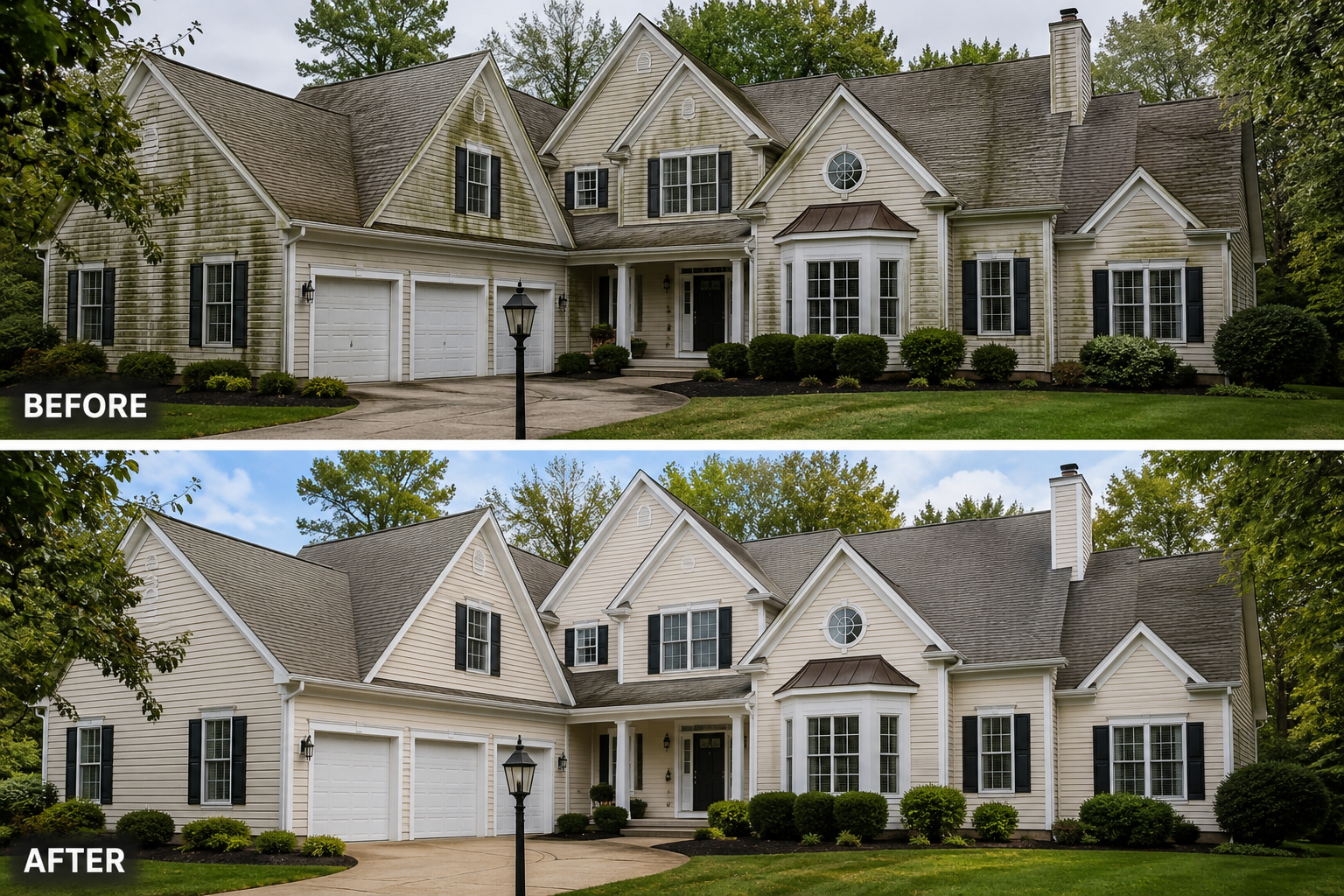
- Soft washing: Clean delicate exterior surfaces using an appropriate low-pressure cleaning approach.
Whether you need one room repainted, your exterior refreshed, your cabinets refinished, or multiple areas of your home updated, professional preparation and attention to detail can make a noticeable difference.
Pacione Painting also offers free estimates, making it easy to discuss your project and explore your options before committing.
Serving Homeowners Throughout South Jersey and Philadelphia
Pacione Painting proudly serves homeowners throughout South Jersey and the Philadelphia, Pennsylvania area, helping homeowners maintain, update, and improve their properties with professional painting services.
Service areas include:
- Woodbury, NJ
- Philadelphia, PA
- Mullica Hill, NJ
- Cherry Hill, NJ
- Voorhees, NJ
- West Deptford, NJ
- Westville, NJ
- Woodbury Heights, NJ
- Wenonah, NJ
- Collingswood, NJ
- Haddonfield, NJ
- Marlton, NJ
- Morristown, NJ
- Ocean City, NJ
- Hammonton, NJ
From established neighborhoods in Haddonfield and Collingswood to homes throughout Cherry Hill, Mullica Hill, Woodbury, and surrounding communities, Pacione Painting is ready to help homeowners with their residential painting needs.
If you are experiencing peeling paint or simply want to give your home a fresh new look, having a professional handle the preparation and painting can help you achieve beautiful, long-lasting results.
How do I get an estimate from Pacione Painting?
You can call Pacione Painting at (856) 381-7990 to discuss your painting project and request a free estimate. They serve homeowners throughout South Jersey and Philadelphia, PA.
Give Your Home a Fresh Start With Pacione Painting
Peeling, bubbling, and cracking paint can make your home look neglected, but the right preparation and professional painting can make a dramatic difference.
Whether you need to repair damaged paint, repaint your interior, refresh your exterior, refinish your cabinets, remove popcorn ceilings, or update another area of your home, Pacione Painting is committed to delivering quality workmanship, cleanliness, and customer satisfaction.
Don't let damaged paint take away from the beauty of your home.
Request Your Free Painting Estimate
Call Pacione Painting today at (856) 381-7990 to discuss your project and get started.
Learn more. Read: How Often Should You Repaint Your Interior? A Helpful Guide to Home Maintenance
Frequently Asked Questions About Peeling, Bubbling, and Cracking Paint
Why is my paint peeling off the wall?
Paint usually peels because it has lost adhesion to the surface. Common causes include moisture, dirt, poor surface preparation, incompatible paint products, or aging paint. Identifying the cause before repainting is important to prevent the problem from returning.
Why is my paint bubbling after I painted it?
Bubbling paint can occur when moisture, heat, or air becomes trapped beneath the paint film. Painting over a damp surface or applying paint in unfavorable conditions can also cause bubbles. The affected area should be evaluated and properly prepared before repainting.
Is peeling paint a sign of water damage?
It can be. Peeling paint near windows, ceilings, bathrooms, or exterior walls may indicate moisture intrusion. However, peeling can also result from poor adhesion or improper preparation. If you notice water stains, soft drywall, or recurring paint damage, investigate the underlying issue before repainting.
Can a professional painter fix peeling and cracking paint?
Yes. A professional painter can remove loose paint, prepare and repair damaged surfaces, apply the appropriate primer, and repaint the area. If the damage is caused by moisture or another underlying issue, that problem should be addressed before the painting work begins.
How much does it cost to repaint a room with peeling paint?
The cost depends on the room's size, the amount of peeling paint, the condition of the walls, repairs needed, primer requirements, and the type of paint used. A professional estimate can help determine the scope of preparation and painting needed for a lasting finish.

I Found a Painting Contractor I Really Like, But They Can't Start When I Need Them To. What Do I Do?